Pair Thanksgiving apps by matching wine to flavor and richness. For salty snacks and chips, pour dry bubbles like Prosecco or Cava, they make everything taste extra crispy and fun. Go with Sauvignon Blanc or dry Riesling for zippy salads and herby dips. Creamy cheese boards love juicy, low‑tannin reds like Pinot Noir or Beaujolais. And baked brie or oozy dips? Sparkling or bright whites keep each gooey bite feeling fresh, and that’s just the start.
Key Takeaways
- Prioritize high-acid, lively wines (sparkling, Sauvignon Blanc, dry Riesling) to cut through salty, creamy, and herb-heavy Thanksgiving appetizers.
- Use bubbles and dry rosé with chips, nuts, cheese straws, and cured meats; carbonation and acidity refresh the palate and amplify salty crunch.
- For cheese boards and charcuterie, pour fruit-forward, low-tannin reds (Pinot Noir, Beaujolais) or off-dry whites (Riesling) to handle salt, fat, and sweetness.
- Match warm, gooey starters and autumnal purees with smooth but zippy whites (Pinot Blanc, Viognier, Rhône blends, gently oaked Chardonnay) that echo texture without heaviness.
- Build a small, versatile lineup: one dry sparkling, one aromatic white, and one juicy, low-tannin red to cover most Thanksgiving appetizers.
Understanding Flavor Balance for Holiday Starters
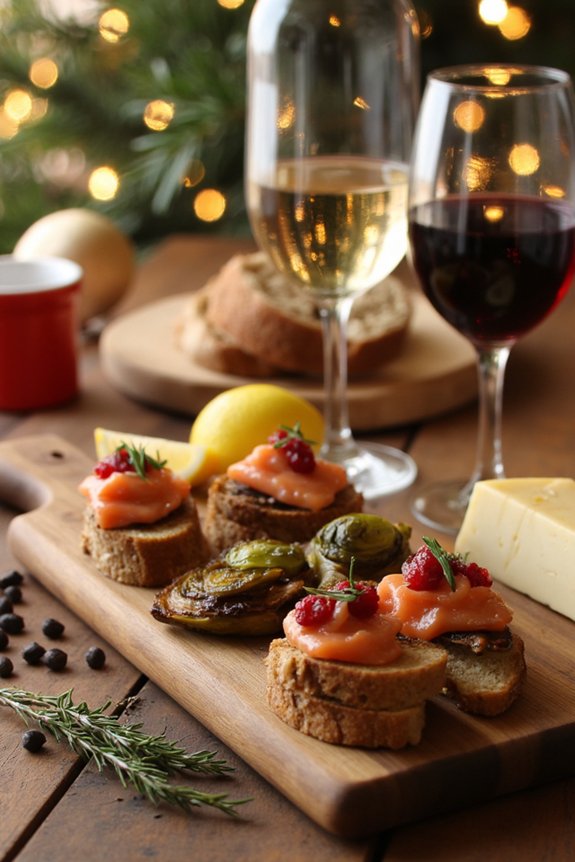
Even before you pop open a bottle, it helps to think about your appetizers like a little flavor map, because what you serve on those first plates can totally make or break how your wine tastes. You’re juggling salty, sweet, tangy, maybe a bit spicy, and each one pushes wine in a different direction.
Lean into seasonal contrasts. Bright, citrusy bites wake up richer whites, while cozy, roasted flavors play nicer with wines that have a bit more body. If everything’s rich, your wine will feel heavy and kinda sleepy.
Plan a few palate resets, like crunchy veggies, olives, or simple crackers, so your mouth gets a quick breather and each new sip feels fresh instead of “meh, more of the same.”
When prepping for your holiday table, don’t forget that temperature control range in your wine fridge can help keep both whites and reds tasting their best alongside a changing lineup of appetizers.
Best Wines for Cheese Boards and Charcuterie
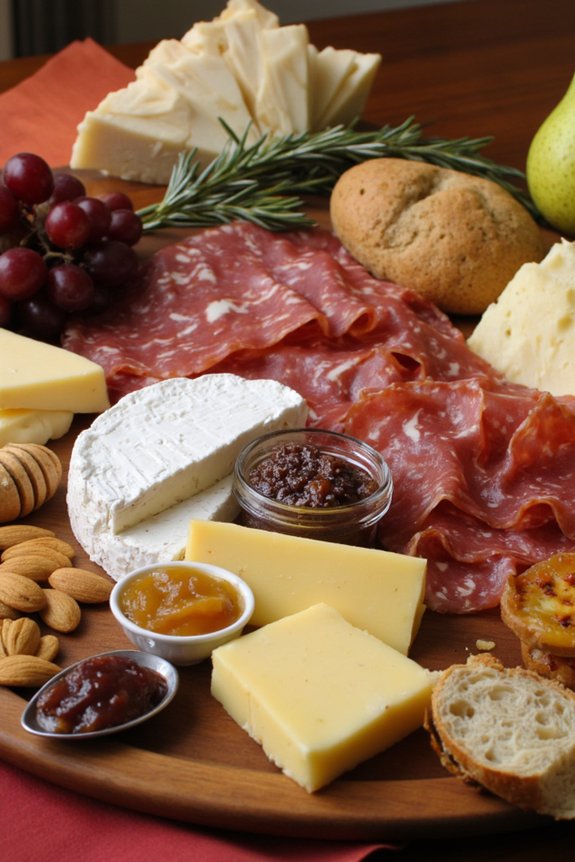
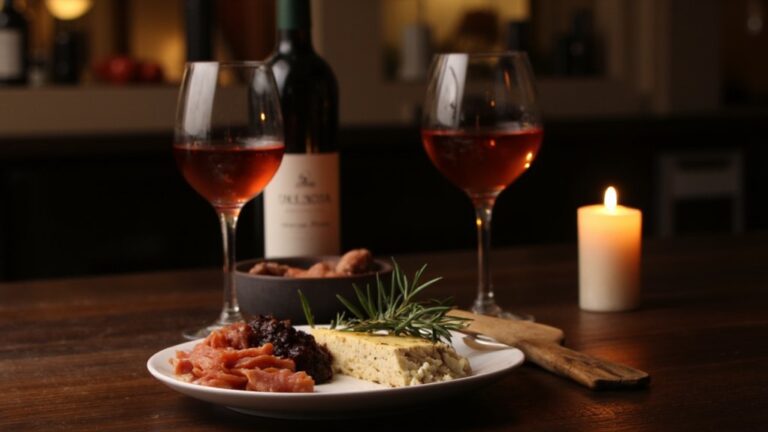
So now that you’re thinking about flavors like a little map, let’s talk about the one appetizer spread that can totally boss your wine around: the cheese and charcuterie board. You’ve got salty meats, creamy cheeses, briny pickles, maybe a little jam situation, so you need bottles that can roll with it.
A fruit forward pinot is your all-star here, because its bright red fruit and gentle tannin hug everything from mild cheddar to silky prosciutto. For funkier cheeses or salty cured meats, pour a spicy salty riesling, and let that zippy acidity clean up every rich bite.
For appetizers with bold or creamy flavors, serving them on a pre-seasoned cast iron skillet can keep everything warm and boost presentation.
- Notice which wine disappears fastest
- Watch how guests hover near certain pairings
- Use those clues when you shop next year
Perfect Pairings for Baked Brie and Warm, Gooey Starters
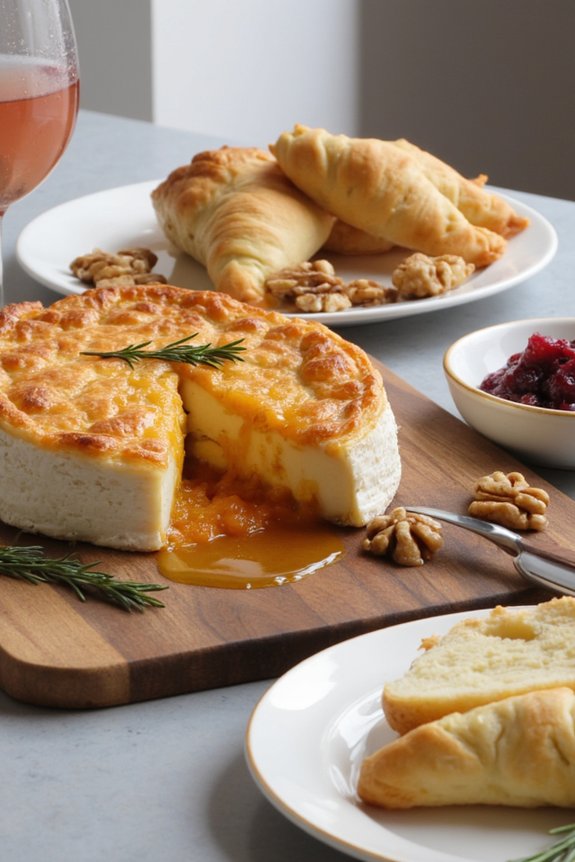
Once that baked brie comes out all puffed and melty, you pretty much own the room, and the right wine just nudges it from “yum” to “are you kidding me.” Warm, gooey starters like brie in pastry, spinach-artichoke dip, or cheesy pull-apart bread love wines that are fresh and a little zippy, with enough acidity to cut through all that richness without bullying the flavors.
Reach for sparkling wine, like dry Prosecco or Crémant, when you serve maple drizzled Brie or warm camembert. Those bubbles clean up your palate after every bite. A bright Sauvignon Blanc or dry Riesling works great too, especially if your dip has herbs or garlic. Prefer red? Try a light Pinot Noir that’s juicy, not too tannic.
If you’re looking for the perfect coffee machine to complement your Thanksgiving appetizers, consider features like one-touch brewing and easy cleaning so you can spend less time fussing and more time enjoying the party.
Wine Matches for Butternut Squash Soup and Autumnal Purees
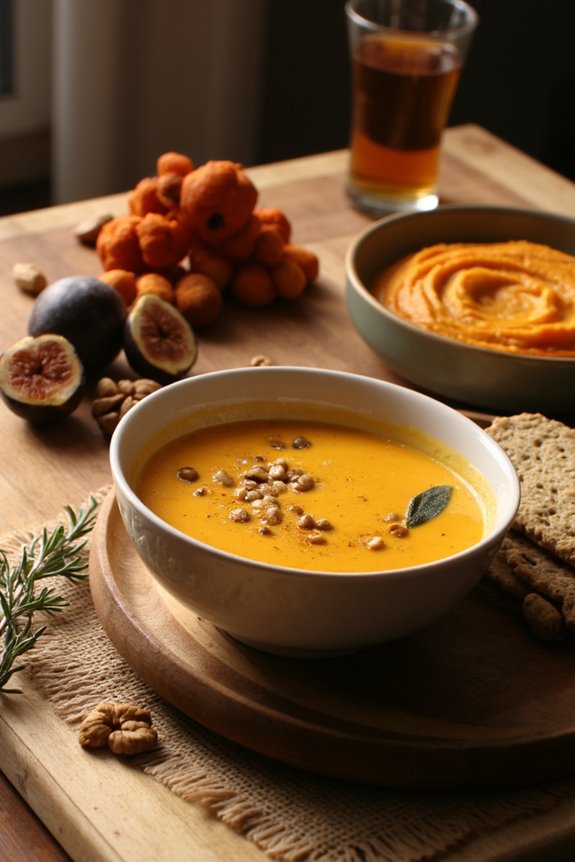
When you ladle out that silky butternut squash soup or spoon up a cozy autumn puree, you’ll want a wine that’s just as smooth and comforting. Creamy whites and nutty, gently oaked Chardonnay can wrap around those sweet, earthy flavors, while herbal toppings like sage or thyme love to hang out with bright, aromatic whites. We’ll look at how to match the creaminess, the nuttiness, and those fresh herbal notes so your glass and your bowl are basically best friends.
Creamy Squash, Creamy Whites
Every year, that first spoonful of silky butternut squash soup shows up like an old friend, and it’s begging for a glass of something equally smooth and cozy. You want creamy whites that feel lush but still have enough creamy acidity to keep each bite from turning heavy. Think wines that glide, not stomp.
Look for Pinot Blanc, Viognier, or a softer white Rhône blend. They echo the soup’s texture without fighting the gentle sweetness of silky squash, and they keep those warm fall spices tasting bright instead of flat.
- Notice how the wine resets your palate so the next spoonful feels like the first.
- Let the fruit in the wine highlight the squash’s natural sweetness.
- Trust your taste; if it feels comfy, it’s working.
Nutty Purees With Chardonnay
If your Thanksgiving table leans hard into those nutty, earthy purees – think butternut squash whipped with brown butter, parsnip mash, or sweet potatoes with a toasty pecan topping – Chardonnay’s kind of the no-brainer friend they’ve been waiting for. You want a bottle with a little oak, not a butter bomb, so the wine’s warm notes of toasted almonds and buttered toast echo those roasted, caramelized flavors on the plate.
The wine’s creamy texture hugs each spoonful, while its acidity keeps everything from feeling heavy. It’s like hitting the richness reset button so you can go back for “just one more” scoop. If the purees lean sweeter, pick a riper style. For more savory versions, choose a fresher, leaner Chardonnay.
Herbal Toppings, Aromatic Whites
How do you take that cozy bowl of butternut squash soup or silky autumn puree topped with crispy sage, thyme, or rosemary and make it taste even more “wow” without doing any extra cooking? You pour a glass of the right wine. Herbal toppings love bright, aromatic white starters that echo their perfume without fighting the sweetness of the squash.
Think Sauvignon Blanc, Grüner Veltliner, or a dry Riesling. Their citrus, green herb, and stone fruit notes bring herb forward contrasts that keep each spoonful from feeling too heavy, so you can actually make it to the turkey course.
- Let the wine’s acidity refresh your palate between creamy bites
- Match herbal aromas so the toppings don’t feel random
- Keep sweetness low so flavors stay focused
Crisp Sips for Salads, Veggie Trays, and Lighter Bites
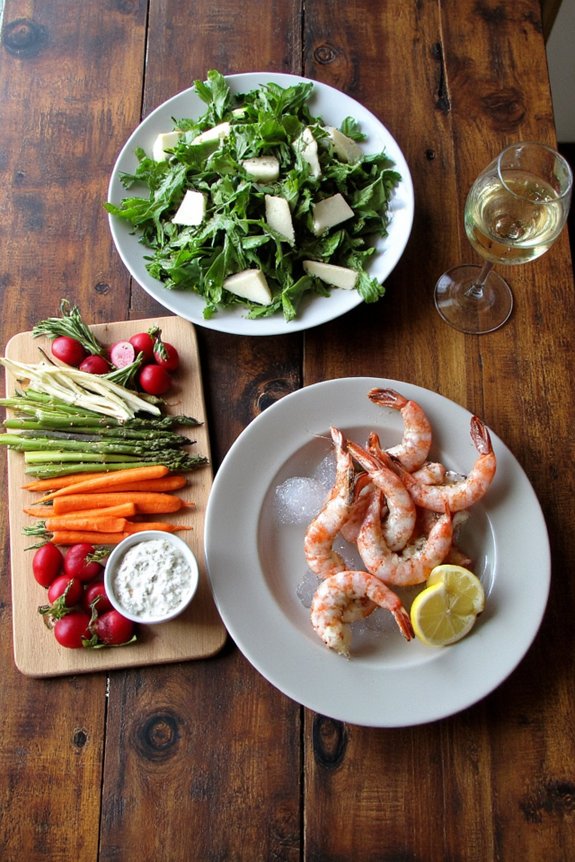
Why is it that the “light” stuff on the Thanksgiving table can actually be the trickiest to pair with wine? Salads with zesty vinaigrettes, crunchy greens, and handfuls of herbs can make fuller wines taste flat or sharp. You want something bright and crisp, so look for sauvignon blanc, albariño, or a dry riesling with good acidity and citrusy notes.
For veggie platters and chilled crudités, think clean and invigorating. A lean pinot grigio or vinho verde keeps everything tasting snappy and fresh, not heavy. If your platter includes a creamy dip, you can nudge toward a slightly rounder white, maybe unoaked chardonnay, so the wine doesn’t feel wimpy. Keep it cool, keep it crisp, and your “light” bites suddenly feel kinda special.
If you’re prepping for a crowd, using rapid boiling electric kettles for tea or coffee service makes it easy to keep things moving between rounds of appetizers and drinks.
Bubbles and Rosé for Salty, Snackable Appetizers
You know all those salty, snacky things that magically disappear before the turkey shows up, like chips, mixed nuts, and cured meats? That’s where bubbly wines and crisp rosés really shine, because the bubbles scrub your palate clean while the juicy fruit in rosé makes those savory flavors pop even more. We’ll look at why salt loves sparkle, how rosé teams up with everything from prosciutto to cheesy bites, and which bottles are actually worth grabbing so you don’t just stare at the wine aisle in mild panic.
Why Bubbles Love Salt
Pop open a bottle of bubbles and salty snacks suddenly don’t stand a chance. You get this electric Acidity contrast that snaps your taste buds awake, then the salt rushes in and makes the wine taste brighter, fruitier, even a little more fun. Each sip clears the deck for the next bite, so you just keep going. And going.
The fizz isn’t just for looks either. Those tiny bubbles scrub your palate, turning Texture interplay into the real star of the show. Crunchy chip, zippy sip, repeat. It’s dangerously easy.
- Salt softens sharp acidity, making bubbly feel smoother
- Bubbles cleanse your palate so snacks never feel heavy
- Together they boost flavor, so simple bites taste special
Rosé and Savory Bites
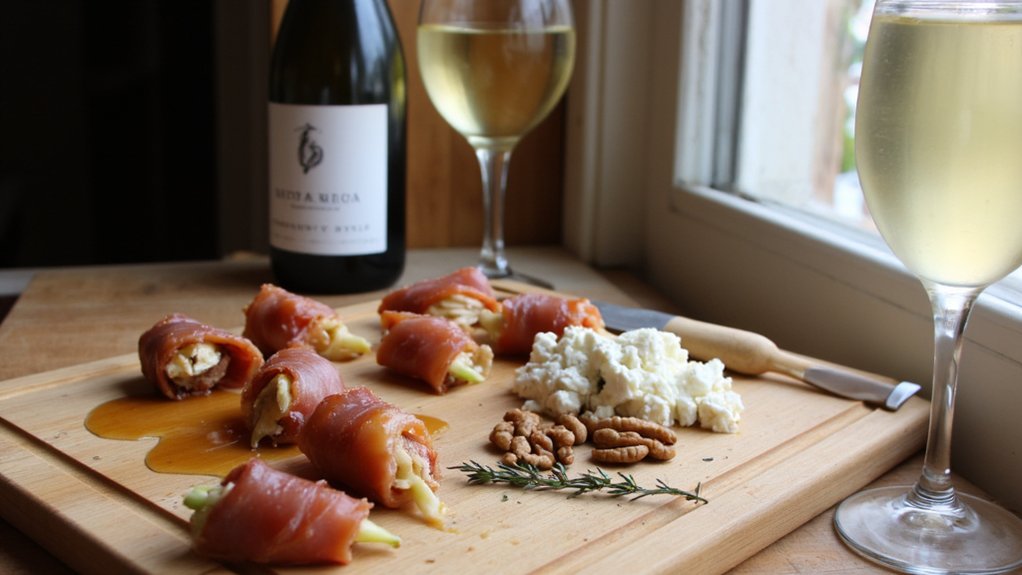
Sparkling isn’t the only thing that knows how to flirt with salty snacks; rosé’s right there in the wings, basically raising its hand like, “hey, I can do that too.” When you’ve got bowls of nuts, prosciutto-wrapped anything, cheesy straws, or a plate of charcuterie hanging around before the turkey shows up, a chilled rosé slides in with bright fruit, a bit of zip, and just enough grip to keep everything feeling fresh.
You get flavors that feel like summer berries, but not in a sticky-sweet way, more like a quick, juicy splash that rinses away salt and fat. Dry styles with light tannins can even stand up to salami or herb-crusted crackers, so you’re not stuck sipping something wimpy.
Best Bottles to Buy
Forget stressing over labels and wine “rules,” this is the fun part where bottles basically audition to be the MVP of your snack spread. For salty, snackable appetizers, you want bubbles and rosé that feel invigorating, not fussy, so think bright, crisp, and easy to keep pouring as the deviled eggs mysteriously vanish.
Start with budget bottles of Cava or Prosecco, since they’ve got the zip to cut through salty nuts, chips, and cheese puffs. Then grab a dry rosé with good acidity, which can hang with everything from prosciutto to spinach dip.
Look for:
- budget bottles under $20 that still taste like a party
- sustainable choices from certified organic or biodynamic producers
- lighter styles you can happily drink for hours
Just as you’d compare grind consistency and versatility when picking a coffee grinder for different beans and spices, choosing wine for appetizers is all about matching lively, adaptable bottles to whatever snacks you serve.
How to Build a Small, Versatile Wine Lineup for Any Crowd
Think of your Thanksgiving wine lineup like a tiny but mighty tool kit: you don’t need twenty bottles, just a smart few that can handle pretty much anything on the table and anyone in the room. Aim for seasonal crowd pleasers that work together as a versatile tasting flight, so guests can sip around and find a favorite without you turning into a full-time sommelier.
Start with a bright, dry sparkling wine that can handle salty snacks and lighter bites. Add an aromatic white, like Riesling or Pinot Gris, for herby dishes and anything with heat. Grab a juicy, low-tannin red like Beaujolais or Pinot Noir. Then, if your crew likes sweeter things, tuck in one off-dry bottle for cheese and spicy apps.
Frequently Asked Questions
Can I Pair Non-Alcoholic Wines or Drinks With Thanksgiving Appetizers Effectively?
You absolutely can. You’ll nail non alcoholic pairings by matching intensity and sweetness: sparkling cider with salty bites, tart kombucha with rich cheeses, and herbal teas for delicate flavors, always focusing on flavor balancing, acidity, and texture.
How Do I Accommodate Guests With Different Wine Preferences at the Same Appetizer Course?
You accommodate everyone by offering varied flights: light, bold, sweet, and dry options side‑by‑side. Add nonalcoholic choices and a couple pre mixed pairings, then let guests mix, match, and revisit favorites throughout appetizers.
What Serving Temperatures Work Best for Wines During a Long Thanksgiving Appetizer Spread?
You’ll want to serve slightly chilled whites at 45–50°F and lighter reds at cellar temperature bottles, around 55–60°F. Use short cool holding—ice buckets or fridges—to maintain temp during a long appetizer spread.
How Much Wine Should I Buy per Guest Just for the Appetizer Hour?
Plan on about 2 glasses per guest for the appetizer hour—roughly half a bottle each. That suits relaxed appetizer pacing, covers slower sippers and enthusiasts, and leaves a small buffer so you don’t run short.
Are There Budget-Friendly Wines That Still Feel Special for Thanksgiving Appetizers?
You’ve got great options: look for value wines like Cava, Prosecco, Vinho Verde, or Beaujolais. They’re affordable, lively with appetizers, and often come in festive packaging that makes the bottles feel more celebratory.
Conclusion
So now you’ve got the basics: match weight, balance flavors, and don’t fight the food. Keep bright whites for salads and veggies, juicy reds for richer bites, and something bubbly for all the salty, snacky stuff. A simple lineup of sparkling, a crisp white, and a light red will cover pretty much everything. Trust your taste buds, pour what you like, and remember, it’s Thanksgiving, not a sommelier exam.