
Ever wondered what gives a Martini its mysterious kick or why your Negroni is so delightfully complex? It’s all about vermouth—a fortified wine that’s more than just a fancy word to toss around at parties. You’ve got herbs, you’ve got spices, and you’ve got a secret history that stretches back to ancient healers with a taste for the dramatic. So, are you ready to find out what makes this aromatic elixir so unforgettable?
Key Takeaways
- Vermouth is a fortified wine infused with botanicals like herbs, roots, and spices for a distinctive aromatic flavor.
- It originated as a medicinal tonic but is now widely used in classic cocktails such as Martinis and Negronis.
- Common base grapes include Trebbiano and Catarratto, which provide brightness and subtle fruitiness to the wine.
- Vermouth styles range from dry to sweet, and it can be enjoyed alone or as a cocktail ingredient.
- Popular brands include Martini & Rossi, Cinzano, and Noilly Prat, with options at various price points.

Aromatic Fortified Wine Explained
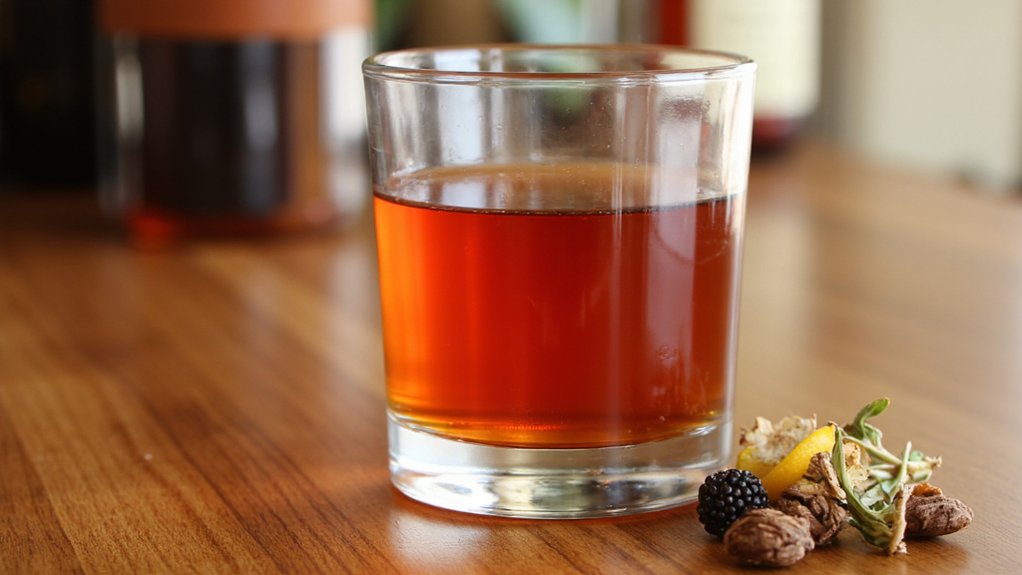
If you’ve ever wondered what gives vermouth its mysterious charm, let’s pull back the curtain. You’re sipping a Martini or maybe a Negroni, and there it is—that aromatic kick, that whisper of herbs and spice. That’s vermouth doing its magic. At its heart, vermouth is a fortified wine, which means a spirit (usually brandy) is added to boost the strength and lock in flavor. But it doesn’t stop there. Makers blend in botanicals: roots, flowers, bark, and seeds. The result? A symphony of aromas that’s made vermouth cocktails legendary.
Vermouth history is packed with drama and flair, but at its core, it’s always been about infusing wine with personality. You’ll never look at your cocktail glass the same way!
Ancient Medicinal Roots
Long before vermouth took its place at the world’s most stylish bars, ancient healers were already working their herbal wizardry. You might be surprised to learn that vermouth’s story begins with medicine, not martinis. Folks back then believed in the magical powers of plants, and they’d soak herbs, roots, and spices in wine to create potions with all sorts of medicinal uses. Headache? Tummy ache? They had a bottle for that. It’s wild to think people sipped early versions of vermouth hoping to cure what ailed them, not just to have a good time. The historical significance of these herbal mixtures can’t be overstated—they were the original health tonics, and everyone from philosophers to peasants wanted a taste. Who knew medicine could taste this good?
Base Grapes: Trebbiano, Catarratto

Grapes, glorious grapes—they’re the unsung heroes behind every good bottle of vermouth. If you’ve ever wondered why vermouth tastes so fresh yet balanced, you can thank base grapes like Trebbiano and Catarratto. Trebbiano characteristics bring crispness and a light, almost zippy brightness to the party. It’s like the friend who never forgets to bring sparkling water to brunch. Catarratto flavor, on the other hand, is all about subtle fruitiness with hints of citrus and almonds. It’s soft, a little round, and honestly, just wants everyone to get along. When these two team up, you get a base wine that’s lively, neutral, and ready to soak up all those other flavors that make vermouth so unique. Isn’t grape teamwork amazing?


Herbal and Spiced Aromas
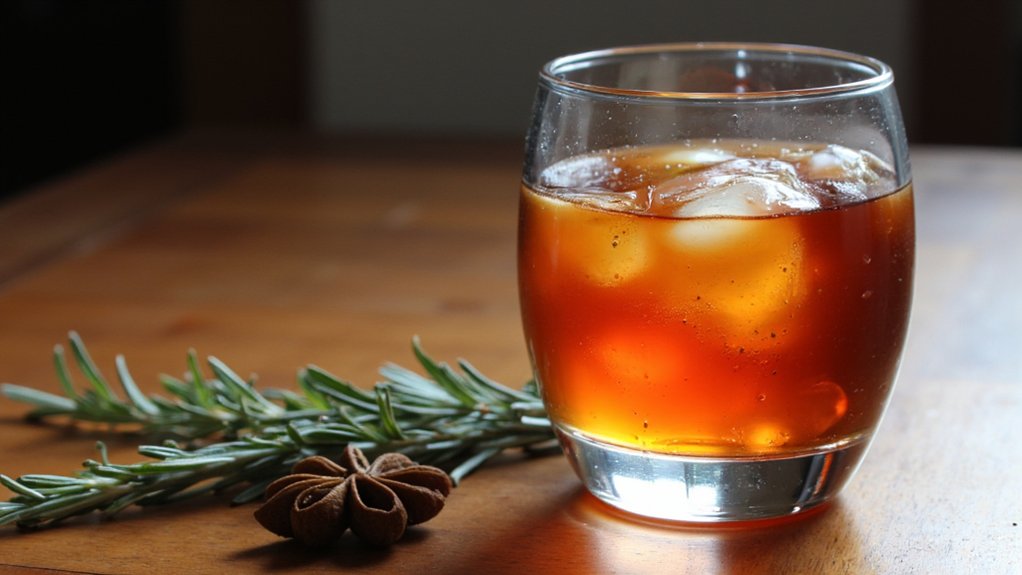
While the base wine gives vermouth its backbone, it’s the herbal and spiced aromas that really steal the show. Imagine popping open a bottle and getting hit with a wave of scents—fresh, earthy, and mysterious. That’s the magic of herbal infusion. Think wormwood, chamomile, and sometimes even hints of lavender, all working together like a botanical orchestra. Then there are those spiced notes—cinnamon, clove, and maybe a touch of vanilla—dancing around, bringing warmth and intrigue. You might even catch a little citrus zing if you pay close attention. It’s like a garden party in your glass, and everyone’s invited. Don’t be surprised if you catch yourself sniffing your drink before you take a sip. It’s totally normal.
Famous Vermouth Wine Brands
Brand names can be like old friends when it comes to vermouth—they’ve been around the block, seen a few cocktail parties, and know exactly how to make an entrance. If you want to sip with the best, you’ll want to get cozy with a few famous Italian and other popular brands. Let’s skip the guessing game and dive straight into the heavy hitters:
- Martini & Rossi – This classic Italian label is practically a celebrity in the vermouth world, always ready for a martini or Negroni cameo.
- Cinzano – Another famous Italian name, Cinzano’s been spicing up cocktails since the 1700s.
- Noilly Prat – Hailing from France, it’s a dry vermouth that brings elegance to every pour.
Try them! Your tastebuds will thank you.
Popular Vermouth Choices For Any Budget
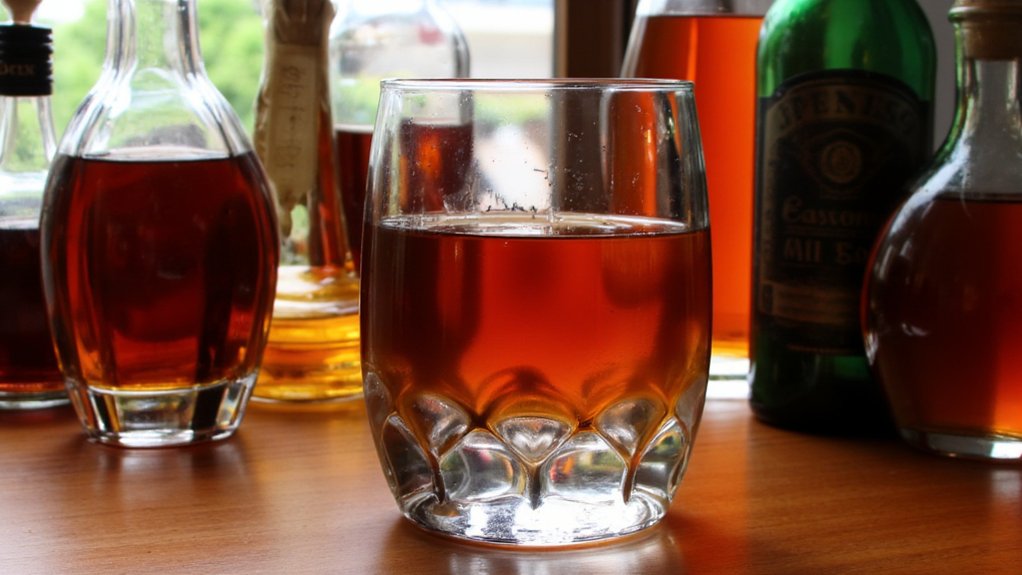
No matter what your wallet’s saying, you’ll find a vermouth that’ll make it sing—there are great bottles under $20, some tempting gems in the $20-$100 range, and even a few fancy high-rollers over $100 if you’re feeling extra. You don’t have to be a millionaire or a bargain-hunter to enjoy a good glass, because there’s something for every taste and budget. Ready to meet your new favorite, whether you’re pinching pennies or popping corks?
Bargain Vermouth Wines Under $20
- Dolin Dry (France) – herbal, crisp, versatile, classic martini essential
- Martini & Rossi Rosso (Italy) – sweet, spiced, easy mixing, red fruits
- Noilly Prat Extra Dry (France) – dry, citrusy, herbal, aperitif favorite
- Carpano Bianco (Italy) – floral, vanilla, balanced, perfect for spritz
- Cinzano Rosso (Italy) – aromatic, bittersweet, affordable, classic cocktails
Mid-Range Vermouth Wines Between $20-$100
- Carpano Antica Formula (Italy) – rich, vanilla, complex, classic Negroni, luxury standard
- Cocchi Vermouth di Torino (Italy) – spiced, cocoa, orange peel, elegant, mixology favorite
- Dolin Rouge (France) – light, herbaceous, balanced, red berries, versatile mixing
- La Quintinye Vermouth Royal Extra Dry (France) – crisp, floral, botanical, sophisticated, aperitif
- Contratto Vermouth Rosso (Italy) – bitter, citrus, clove, artisanal, historic recipe
High-End Vermouth Wines Above $100
- Carpano Riserva 1786 (Italy) – intense, herbal, rare, limited edition, luxury collector’s item
- Mancino Vecchio Vermouth (Italy) – aged, complex, vanilla, wood, small-batch artisanal release
- La Quintinye Vermouth Royal Prestige (France) – opulent, floral, nuanced, exclusive, master blender’s reserve
- Cocchi Vermouth di Torino Storico Riserva (Italy) – rich, herbal, vintage, sophisticated, highly allocated
- Lustau Vermut Especial Gran Reserva (Spain) – sherry-cask, nutty, spiced, elegant, exceptional craftsmanship
Classic Vermouth Wine Food Pairings
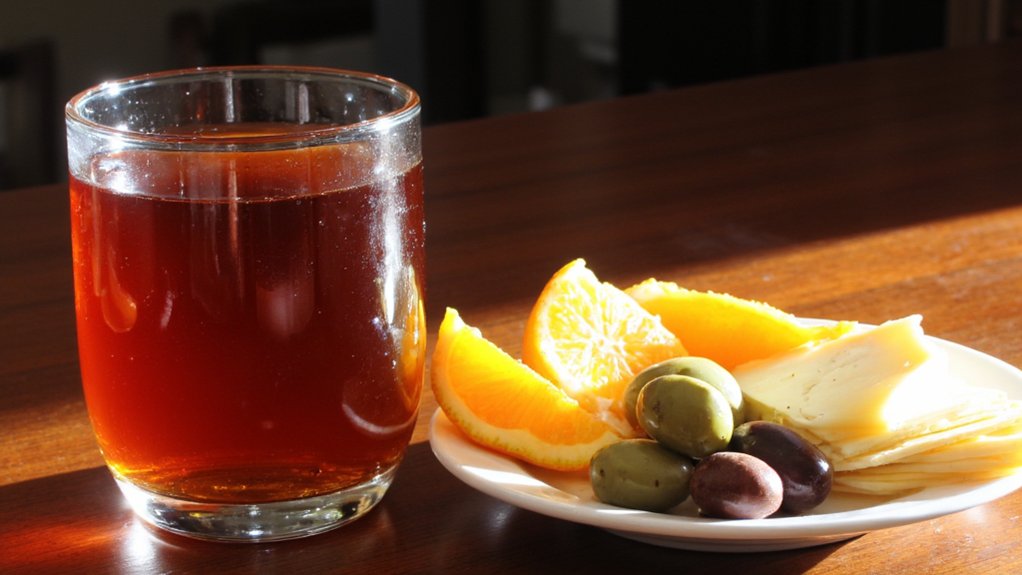
When you start exploring classic vermouth wine food pairings, you’ll quickly see just how much fun this journey can be. You’re not just sipping—you’re matching flavors, textures, and even moods. Whether you’re planning a gathering or just jazzing up a Tuesday, vermouth cocktail pairings open a world of delicious possibilities. Need some vermouth food suggestions? Here are three classics you can’t miss:
- Spanish olives and cured meats – Salty, savory, and perfectly matched to vermouth’s herbal notes.
- Cheese boards – Especially with sharp, aged cheeses. The complexity sings!
- Seafood tapas – Anchovies or marinated shrimp? Yes, please! The briny flavors love vermouth.
Try these combos and see how each bite brings new excitement to your glass. Cheers!
James Bond’s Martini Preference
Although the world’s most famous secret agent has a license to kill, he’s also got a license to order whatever martini he wants—and James Bond does it with serious style. You know the line: “shaken, not stirred.” This shaken preference isn’t just about being fancy, it actually changes the drink’s texture and temperature. If you’re ever at a bar, try ordering your martini like Bond. You’ll feel cooler, trust me.
Now, Bond’s martini isn’t just about the vodka or gin—it’s about the vermouth. He’s picky with his vermouth brands. Sometimes it’s French vermouth, sometimes Italian. The key is, Bond’s martini always gets that special vermouth touch. So, next time you’re channeling your inner spy, remember: shake it up and pick your vermouth wisely!
Does Vermouth Wine Age Well?
Speaking of picking your vermouth wisely, you might be wondering if this magical mixer gets better with age, like a fine wine or a secret agent’s reputation. Well, here’s the twist: vermouth doesn’t have the aging potential you might hope for. Unlike those wines that improve after years in a dark cellar, vermouth is at its peak when it’s fresh. If you leave it open too long, you’ll notice the flavors slipping away faster than a spy in the night.
Storage conditions matter a lot. Keep your bottle tightly sealed, store it in the fridge, and you’ll stretch its life a bit, maybe a month or two. But don’t expect miracles. Vermouth’s not a fan of long goodbyes—it prefers to shine in the moment!
Vermouth Wine Serving Tips
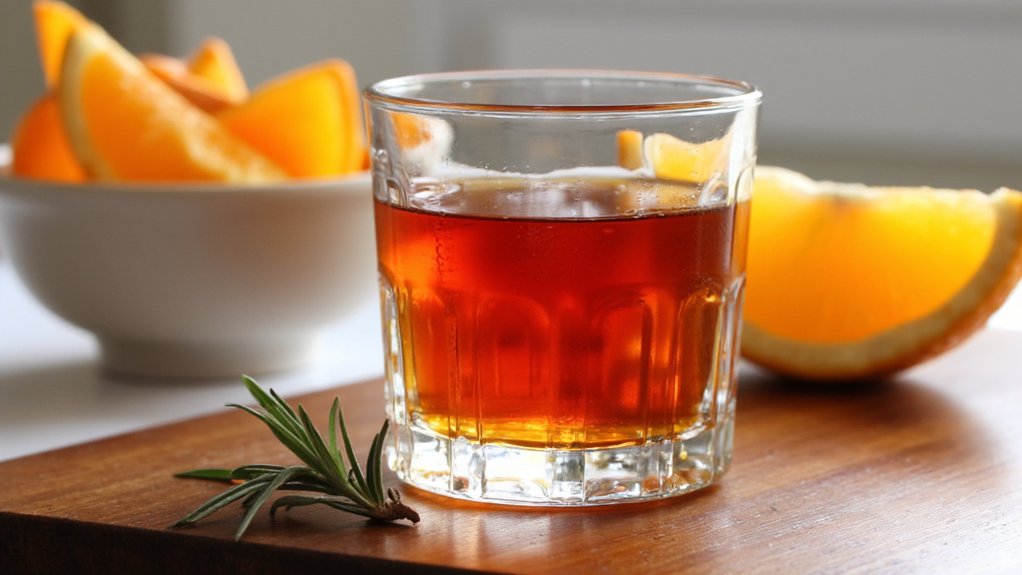
If you want to make your vermouth experience sing, it’s all about how you serve it. Vermouth isn’t just a background note in your favorite vermouth cocktails—it can be the star if you treat it right. First, don’t just stash your bottle anywhere. Pay attention to vermouth storage, because once opened, it’ll lose its zing fast if you leave it on the counter like a forgotten houseplant.
Here’s how you can level up your vermouth game:
- Chill it—vermouth loves the cold, so serve over ice or straight from the fridge.
- Use fresh garnishes—think citrus twists or olives, not last week’s limp celery.
- Seal and store in the fridge after opening to keep flavors bright.
Sip, savor, and let your taste buds waltz!
Similar Wines to Vermouth Wine
Once you’ve developed a taste for vermouth, you might start wondering what other bottles could spark that same sense of adventure on your palate. If you love vermouth cocktails or sampling different vermouth brands, you’ll probably enjoy exploring other fortified and aromatized wines. Try Lillet, a French aperitif that’s bright and citrusy—perfect for sipping or mixing. Cocchi Americano is another gem, slightly bitter but oh-so-refreshing. Don’t forget about sherry, especially fino or amontillado, which bring nutty flavors and a touch of salinity. Madeira and port also fit the bill, offering sweet, complex notes. Each of these wines can step in for vermouth in cocktails, or just stand on their own. You never know—you might find your next obsession.
Frequently Asked Questions
Is Vermouth Gluten-Free?
You’re wondering if vermouth is gluten-free. Most vermouth ingredients are naturally gluten-free, as they’re typically wine-based. However, always check Vermouth brands’ labels, since some may add flavorings or caramel coloring that could contain gluten.
Can Vermouth Be Used in Cooking?
You can use vermouth in various cooking applications to boost your dishes. Add it to sauces, risottos, or marinades for flavor enhancement. It brings complexity and depth, making your recipes more aromatic and delicious.
How Should Vermouth Be Stored After Opening?
To guarantee proper storage and extend vermouth’s shelf life, you should always refrigerate it after opening. Keep the bottle tightly sealed, and try to use it within a month for the best flavor and freshness.
What Is the Alcohol Content of Vermouth?
When you explore Vermouth varieties, you’ll find their alcohol content typically ranges from 15% to 18% ABV. Keep this in mind when crafting Vermouth cocktails, since it affects both flavor balance and drink strength.
Is Vermouth Suitable for Vegans?
You’ll find many vermouth brands use vegan ingredients and botanical flavors, making them suitable for vegans. However, you shouldn’t assume all are vegan—some use animal-based fining agents. Always check the label or contact the producer.