Ever wondered what all the buzz is about with Moscato d’Asti? Picture yourself popping open a bottle that’s light, bubbly, and just sweet enough to put a grin on your face. It’s like a party in your mouth—peachy, a little honeyed, and surprisingly low in alcohol, so you can sip without fear of doing a cartwheel at brunch. But hey, there’s more to this charming Italian sparkler than meets the glass…
Key Takeaways
- Moscato d’Asti is a sweet, lightly sparkling Italian wine made from Moscato Bianco grapes in the Piedmont region.
- It features low alcohol content, vibrant fruit flavors, and floral aromas, making it refreshing and easy to drink.
- Traditionally served chilled, it is ideal for pairing with desserts like pastries, fruit tarts, and gelato.
- The wine is best enjoyed young to preserve its lively bubbles and fresh, juicy taste.
- Notable brands include Michele Chiarlo, Vietti, Saracco, and La Spinetta, each offering unique expressions of Moscato d’Asti.

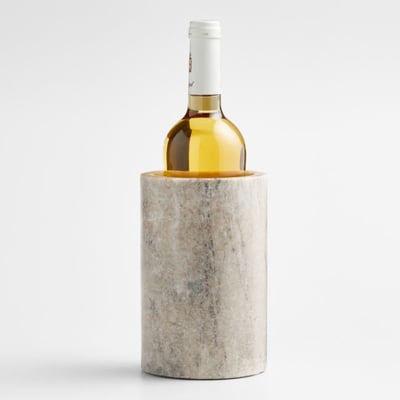


Low-Alcohol Sparkling Italian Wine

Even if you’re new to Italian wines, Moscato d’Asti is like that friend who always brings good vibes to the party—light, bubbly, and never overstays its welcome. You pour a glass and instantly notice its sweet sparkling charm, with tiny bubbles dancing up your nose. The best part? It’s low in alcohol, so you can enjoy a couple of glasses without feeling like you’re about to climb on the table and start singing opera. Moscato d’Asti is practically made for dessert pairing, especially with pastries, fruit tarts, or even a cheeky scoop of gelato. It’s not just a wine, it’s a celebration in a bottle, perfect for those moments when you want to keep things lively, light, and fun.
Ancient Piedmontese Winemaking Roots
Long before Moscato d’Asti started popping up at brunches and celebrations everywhere, the hills of Piedmont were already alive with the sound of grapevines rustling in the breeze. Imagine yourself walking those ancient slopes. You’d be following in the footsteps of centuries-old Piedmont history, where winemaking traditions run deeper than the roots of the oldest vines. Locals have been tending their grapes here since, well, before anyone thought to Instagram their wine glass. These winemakers didn’t just stumble onto something tasty—they perfected their craft, passing secrets down like treasured family recipes. You can almost hear the laughter echoing from stone cellars, can’t you? All those generations, united by the love of wine and the sweet rewards of hard work.
100% Moscato Bianco Grapes

But what really makes those time-honored Piedmont wines sing? It’s the Moscato Bianco grapes, of course! You’ll find these little beauties growing on sun-kissed Italian hillsides, soaking up all that glorious Mediterranean light. Moscato characteristics are pretty easy to spot—these grapes are juicy, plump, and bursting with sweetness before they even hit the press. Take a bite and wow, you get a gentle, floral zing that’s as invigorating as a spring afternoon. Bianco flavor profiles are all about delicacy and charm, not some heavy, knock-you-out stuff. You’ll notice a refreshing brightness, a hint of citrus, and this almost playful, lively vibe. It’s like the grape itself wants to throw you a party. Who could resist that?
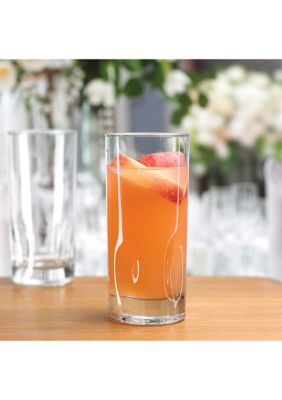
Peach and Honey Aromas
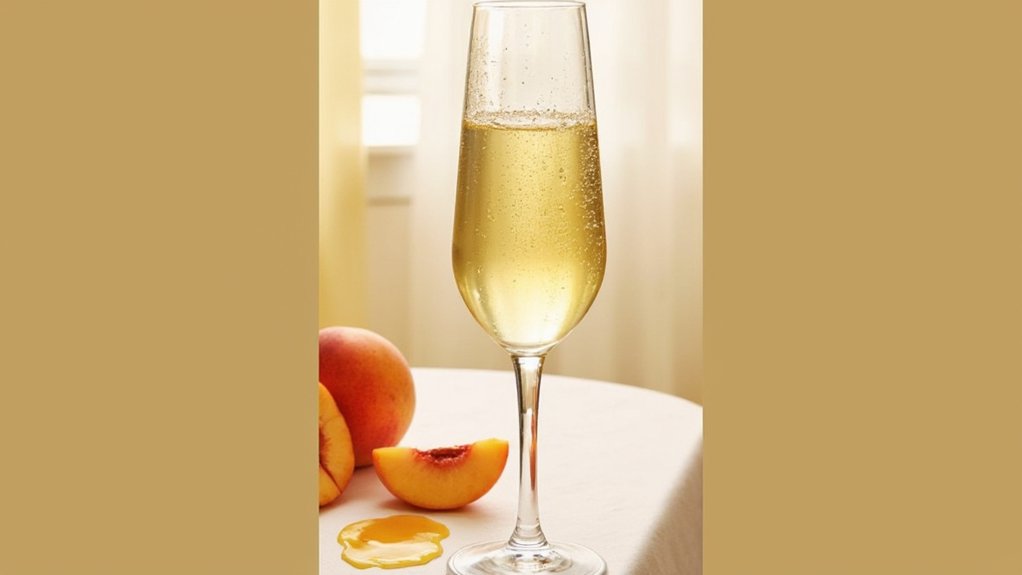
Aromas are where Moscato d’Asti really starts to show off. When you take a sniff, you’re hit with a wave of peach characteristics that make your mouth water. It’s like someone squeezed a fresh peach right under your nose—juicy, sweet, maybe even a little cheeky. But that’s not all. Next comes the honey nuances, soft and golden, like sunlight dripping through your kitchen window on a lazy weekend morning. You’ll notice how these two scents dance together, creating a perfume that’s somehow both delicate and bold, playful and elegant, as if the wine itself is winking at you. Honestly, if Moscato d’Asti were a person, it would flirt with you at a summer picnic, then laugh at its own jokes.
Famous Moscato d’Asti Wine Brands
Once you’ve fallen for those peach and honey aromas, you’ll probably want to know which bottles bring that magic to life. The world of Moscato d’Asti is full of famous brands and legendary moscato producers, each putting their own spin on this sweet, sparkling treat. You don’t need to be a sommelier to enjoy these names—just a fan of fun, fizzy wine that tastes like a summer afternoon. So, who should you look for when you’re hunting down a bottle that’s sure to impress at your next picnic or brunch?
- Michele Chiarlo – Classic, elegant, and reliable.
- Vietti – Bursting with flavor, always a crowd-pleaser.
- Saracco – Zesty, lively, and oh-so-refreshing.
- La Spinetta – A cult favorite, with bold personality.
Popular Moscato d’Asti Choices For Any Budget

No matter what your wallet says, you can find a Moscato d’Asti that’ll make it sing—yes, even if it’s only humming under twenty bucks. You’ll spot some gems in the mid-range, where the bottles get fancier but don’t require selling your favorite sneakers, and for special occasions, the high-end options will have you feeling like royalty, tiara not included. Let’s check out what you can grab at every price point, from bargain bliss to splurge-worthy sparkle.
Bargain Moscato d’Asti Wines Under $20
- Vietti Cascinetta (Piedmont) – floral, peach, lively bubbles, balanced sweetness
- Saracco Moscato d’Asti (Piedmont) – fresh, aromatic, orange blossom, vibrant finish
- La Spinetta Bricco Quaglia (Piedmont) – delicate, honey, pear, crisp acidity
- Elio Perrone Sourgal (Piedmont) – juicy, apricot, sweet, invigorating, light-bodied
- Marenco Scrapona (Piedmont) – fragrant, citrus, gentle fizz, smooth texture
Mid-Range Moscato d’Asti Wines Between $20-$100
- G.D. Vajra Moscato d’Asti (Piedmont) – elegant, floral, golden apple, refined bubbles, lingering finish
- Paolo Saracco Moscato d’Asti Riserva (Piedmont) – complex, honeyed, candied citrus, creamy texture, balanced sweetness
- Ca’ d’Gal Vigna Vecchia (Piedmont) – old vines, aromatic, white peach, persistent mousse, mineral freshness
- La Spinetta Moscato d’Asti Biancospino (Piedmont) – expressive, wildflowers, pear, vibrant acidity, silky bubbles
- Coppo Moncalvina Moscato d’Asti (Piedmont) – pure, jasmine, apricot, lively effervescence, clean finish


High-End Moscato d’Asti Wines Above $100
- Ca’ d’Gal Sant’Ilario (Piedmont) – rare, old vines, intense florals, honeyed, lingering mineral finish
- Vietti Cascinetta Riserva (Piedmont) – limited, concentrated, candied apricot, elegant mousse, harmonious sweetness
- Giacomo Conterno Moscato d’Asti (Piedmont) – prestigious, layered, citrus blossom, silky bubbles, persistent finish
- La Spinetta Bricco Quaglia Riserva (Piedmont) – collector’s, expressive, white peach, vibrant acidity, luxurious texture
- Saracco Moscato d’Asti Vecchie Vigne (Piedmont) – historic, complex, dried fruit, delicate mousse, refined sweetness
Classic Moscato d’Asti Wine Food Pairings
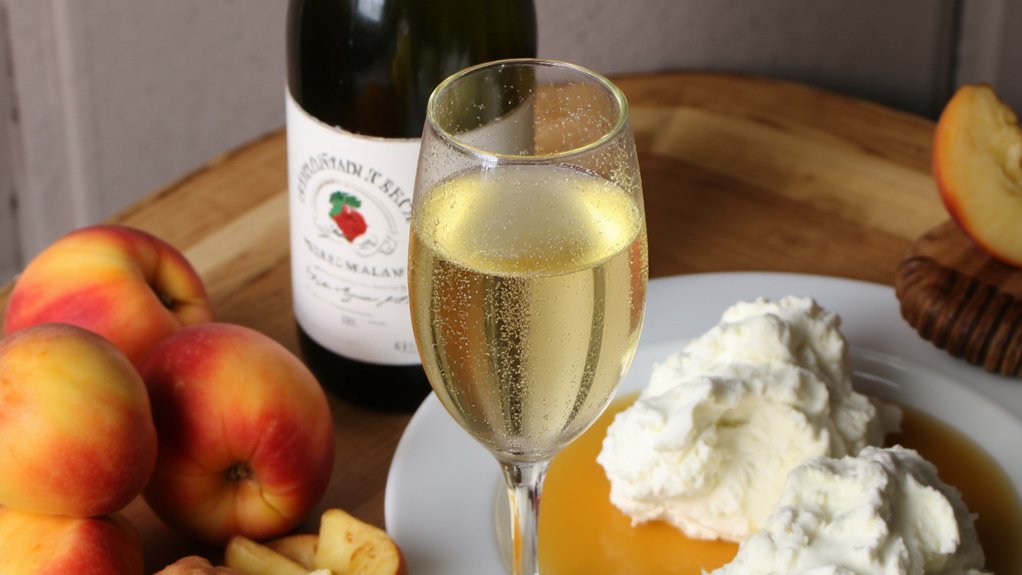
Whenever you pop open a chilled bottle of Moscato d’Asti, you’re really opening the door to a world of delicious food possibilities. This vibrant, slightly fizzy wine loves company, especially when it comes to dessert pairings and cheese selections. It’s like a party in your fridge, and everyone’s invited. You don’t have to overthink it—just reach for these classics:
- Fresh berries and cream – The wine’s sweetness brings out the berries’ natural zing.
- Lemon tarts – Playful and tangy, they dance alongside Moscato’s lively bubbles.
- Soft cheeses – Try brie or mascarpone; you’ll be a believer after one bite.
- Panettone or biscotti – Dip, sip, repeat. It’s pure joy, no instructions required!
Napoleon’s Favorite Celebratory Wine
If you’ve ever wondered what kind of wine could charm an emperor, search no more than Moscato d’Asti. Imagine Napoleon’s celebrations—grand feasts, glittering crowns, and guess what’s in his glass? That’s right, Moscato d’Asti. This isn’t just some sweet fizz; it’s a sparkling history lesson. You’re sipping the very bubbles that once danced on the lips of royalty. Napoleon loved it for its lively sparkle and irresistible sweetness. Picture the emperor, not with a stern face, but grinning after a toast, raising his glass for another round. It’s almost as if Moscato d’Asti was made for celebration. No wonder it became a staple at his banquets. Go on, pour yourself a glass—you’re in excellent company!
Does Moscato d’Asti Wine Age Well?
So, does Moscato d’Asti get better with age, or should you just pop that cork and enjoy it now? Honestly, you don’t need to wait. Moscato d’Asti is like that friend who’s always ready to party—no need to keep it locked away. Its aging potential is quite limited. This wine shines brightest when it’s young, fresh, and bursting with juicy fruit flavors and lively bubbles. Store it properly, sure, but don’t let wine storage worries keep you up at night. If you let it sit around too long, those lovely aromas and sweetness can fade, and the fizz might lose its pep. So go ahead, don’t let your Moscato d’Asti gather dust. Pour a glass and let the good times roll!
Moscato d’Asti Wine Serving Tips

Although Moscato d’Asti practically begs you to pop the cork right away, there are a few tricks to make every sip sing. Yes, it’s tempting to just pour and enjoy, but trust me, a little thought goes a long way. For the ideal serving, you want this wine chilled but not ice-cold; you’re not making a slushie here! And don’t just grab any old glass—this bubbly deserves better. Here’s what you need to know:
- Chill the bottle to about 45–50°F (7–10°C) for the ideal serving temperature.
- Use a white wine glass or tulip glass for the best aroma—forget those chunky tumblers!
- Pour small amounts so the wine stays cool and fizzy.
- Sip slow, let those sweet flavors dance. Cheers!
Similar Wines to Moscato d’Asti Wine
When you fall for Moscato d’Asti, you might start craving more wines with that same playful sparkle and sweet, juicy charm. Lucky for you, there are plenty of Moscato alternatives out there. You could try Asti Spumante, which is like Moscato d’Asti’s bubbly, party-loving cousin. Or maybe give Brachetto d’Acqui a whirl, with its red berry flavors and just enough fizz to tickle your nose. For a globe-trotting twist, go for German sweet sparkling wines like Riesling Sekt, or even a demi-sec Champagne if you’re feeling fancy. Prosecco can also scratch that sweet sparkling itch, especially the sweeter styles. Don’t stop exploring—after all, life’s too short to drink boring wine. Cheers to your next tasty adventure!
Frequently Asked Questions
Is Moscato D’Asti Vegan or Vegetarian Friendly?
When you’re checking Moscato D’Asti ingredients, you’ll want to know if winemakers use animal-based fining agents. Some brands offer vegan wine options, but you should always verify with the producer to confirm it’s truly vegan-friendly.
Does Moscato D’Asti Contain Sulfites?
You’ll find that Moscato d’Asti does contain sulfites, as required by wine regulations for preservation. If you’re concerned about sulfites’ health effects, check labels or consult producers, since most wines naturally produce some sulfites during fermentation.
What Is the Typical Price Range for Moscato D’Asti?
When you do a price comparison for Moscato d’Asti across different wine regions, you’ll usually find bottles ranging from $12 to $25. You’ll get great value, especially from top Piedmont producers, without breaking the bank.
Can Moscato D’Asti Be Used in Cocktails?
You can definitely use Moscato d’Asti in cocktails. Its light sweetness and bubbles make it perfect for Moscato cocktails or as sparkling mixers. You’ll find it adds a revitalizing, fruity twist to your favorite drinks.
Is Moscato D’Asti Gluten-Free?
You can enjoy Moscato d’Asti confidently—it’s naturally gluten-free. This means you get Moscato benefits without worry. If you need gluten free alternatives for cocktails or wine, Moscato d’Asti is a delicious, safe choice.