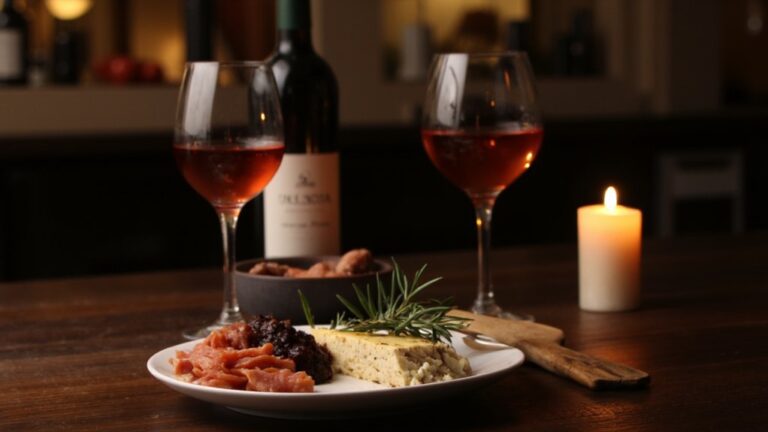
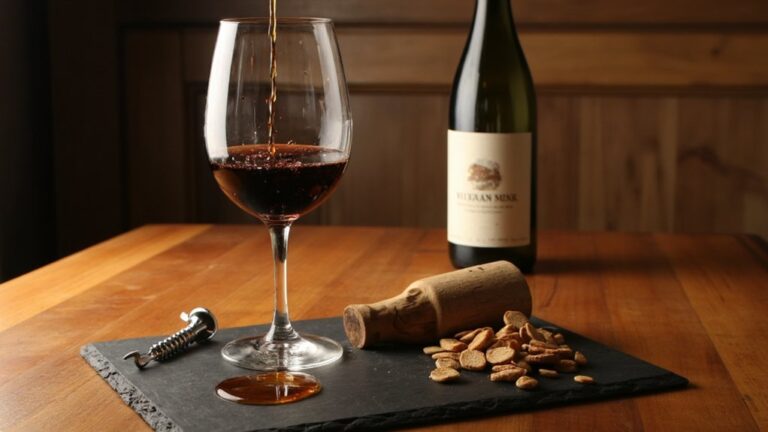
So, you’ve heard of White Zinfandel, but maybe you’re not quite sure what makes this pink drink so special. Picture a wine that’s sweet, invigorating, and sports a playful rosy hue—almost like summer in a glass. It’s got a backstory that involves a happy little accident at a California winery, and trust me, that twist of fate changed backyard barbecues forever. Curious how a blush wine became a legend? Let’s pop the cork on this story.
Key Takeaways
- White Zinfandel is a sweet, pale pink rosé wine made from red Zinfandel grapes with minimal skin contact.
- It originated in the 1970s as a happy accident at Sutter Home Winery during a stuck fermentation process.
- The wine features fruity flavors and aromas, especially strawberries and melon, making it popular for casual and summer occasions.
- White Zinfandel is typically affordable, with well-known brands like Beringer and Sutter Home offering bottles under $20.
- Best enjoyed chilled and young, it pairs well with light foods and is celebrated for its refreshing, playful character.
Pale Pink, Sweet Rosé Introduction
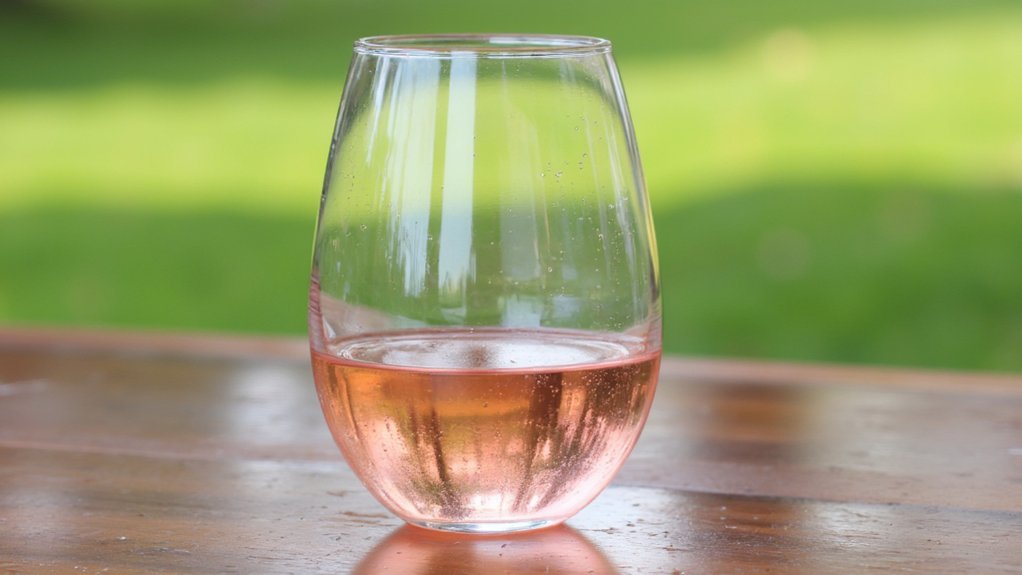
Even if you’ve never sipped a glass yourself, you’ve probably spotted White Zinfandel’s signature pale pink hue twinkling at a party or perched on a friend’s summer picnic blanket. It stands out, doesn’t it? That blush color practically shouts “refreshing!” White Zinfandel is famous for its sweet flavor, making it a go-to for folks who want wine without the pucker. You’ll taste notes of strawberry, melon, and sometimes a cheeky hint of candy—like someone invited fruit punch to the grown-up table. When it first hit the scene, it kicked off a wine trends revolution, changing what people thought rosé could be. So, next time you see that cheerful pink in a glass, you’ll know it’s not just for show.
1972 Sutter Home Accidental Creation
While some of the world’s greatest discoveries have happened by total accident, White Zinfandel absolutely takes the cake—or the cork, in this case. Imagine you’re at Sutter Home in the 1970s, just trying to make a decent red wine. Suddenly, your fermentation gets stuck, refusing to turn all that grape sugar into alcohol. Oops! You might panic, but instead, Sutter Home decided to bottle this sweet, pale pink liquid. That’s right, White Zinfandel was an accidental invention, a happy little mistake that turned the wine world upside down. Instead of tossing it out, they took a risk—and people loved it. Who knew a wine “oops” could become America’s favorite blushing sipper? Sometimes, serendipity tastes absolutely delicious.
Made From Red Zinfandel Grapes

Although it might sound a bit wild, White Zinfandel actually comes from the same bold, red Zinfandel grapes that make those deep, spicy reds you see on wine shelves. Yep, it’s true—you’re sipping a pink drink that started life as a potential powerhouse. So what’s the secret? It’s all in the grape processing. Instead of letting the grape skins hang out with the juice for a long stretch (which gives red Zinfandel its dark color and classic Zinfandel characteristics), winemakers separate them pretty quickly. That’s how you get that blush-pink color. The result? A wine that’s light, fresh, and totally different from its red sibling. Who knew a little less skin-to-juice time could make such a playful, crowd-pleasing transformation?

Strawberry and Melon Notes
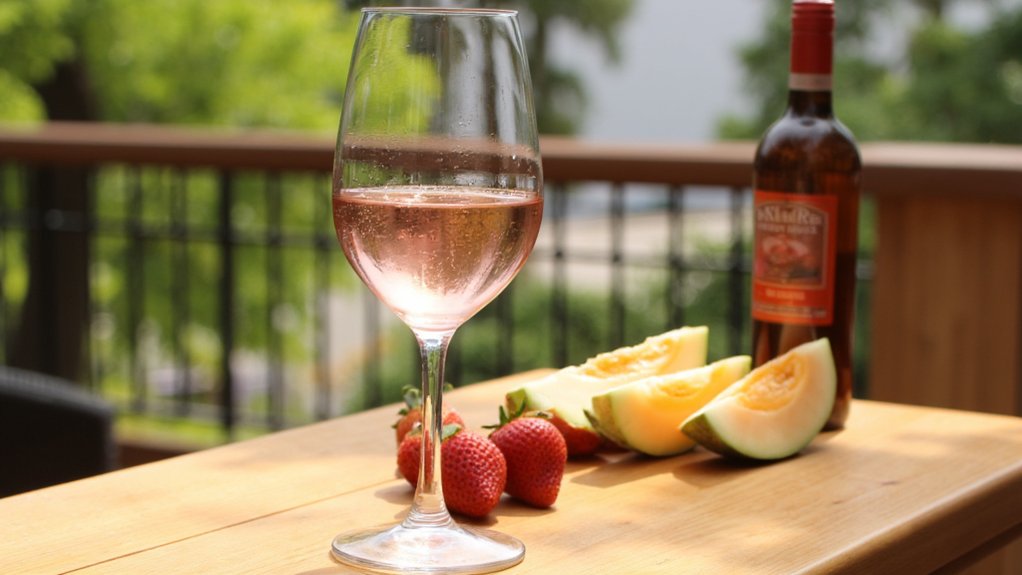
Strawberries and melons—it’s almost like White Zinfandel bottled up summer and decided to throw a party in your glass. When you take that first sniff, you’ll notice strawberry aromas dancing right out of the glass, teasing you with their sweet, juicy promise. It’s not just the nose, either. Take a sip, and all those fresh melon flavors come right in, mellow and bright, making your taste buds do a happy little jig. There’s something playful about it, like the wine’s daring you to remember your last picnic or that time you ate fruit salad straight from the bowl. White Zinfandel isn’t shy. It’s fruity, it’s flirty, and honestly, it might just be the life of your next backyard barbecue.
Famous White Zinfandel Wine Brands
Legends of the wine aisle, that’s what we’re diving into now—those famous White Zinfandel brands that just about everyone has seen hanging out at the grocery store or lurking at backyard parties. You know the ones. These bottles are practically celebrities among rosé lovers, with iconic labels you can spot from across the room. Let’s shine a spotlight on some famous producers who’ve made White Zinfandel a household staple. Here’s a quick rundown:
- Sutter Home – The OG. They basically invented the stuff.
- Beringer – Classic, reliable, and always a crowd-pleaser.
- Woodbridge by Robert Mondavi – Affordable and everywhere.
- Franzia – The box that keeps on pouring, perfect for parties.
These brands have become legendary for a reason—they just get it right.
Popular White Zinfandel Choices For Any Budget

No matter how much you want to spend, you’ll find a White Zinfandel that fits your wallet—like, you can snag some tasty bottles under $20, pick something a bit fancier between $20 and $100, or go all-out and splurge on a high-end gem over $100 if you’re feeling extra. Why settle for boring when you can have options that make your tastebuds do a happy dance? Let’s check out some delicious picks that’ll make your next wine night way more interesting (and maybe a little bougie, if that’s your thing).
Bargain White Zinfandel Wines Under $20
- Beringer White Zinfandel (California) – fruity, crisp, invigorating, crowd-pleaser, affordable
- Sutter Home White Zinfandel (California) – sweet, light-bodied, strawberry notes, easy-drinking
- Woodbridge by Robert Mondavi White Zinfandel (California) – smooth, floral, melon, everyday value
- Franzia Sunset Blush (California) – semi-sweet, berry flavors, boxed, budget-friendly
- Gallo Family Vineyards White Zinfandel (California) – juicy, peach, balanced, wallet-friendly
Mid-Range White Zinfandel Wines Between $20-$100
- Turley White Zinfandel (California) – vibrant, dry, raspberry, nuanced, boutique cult favorite
- Bedrock Wine Co. Ode to Lulu (California) – elegant, floral, mineral-driven, complex, food-friendly
- Rombauer White Zinfandel (California) – lush, strawberry, off-dry, crisp, classic style
- Ridge Vineyards White Zinfandel (California) – fresh, bright, balanced, subtle spice, small production
- Scott Harvey InZinerator White Zinfandel (California) – juicy, cherry, vibrant acidity, smooth finish, unique label


High-End White Zinfandel Wines Above $100
- Turley Library Release White Zinfandel (California) – rare, mature, layered, sophisticated, cellar-worthy
- Bedrock Heritage White Zinfandel (California) – old-vine, complex, nuanced, collector’s gem, limited production
- Ridge Monte Bello White Zinfandel (California) – iconic, structured, age-worthy, mineral, exclusive allocation
- Robert Biale Reserve White Zinfandel (California) – luxurious, intense, small-batch, elegant, refined
- Williams Selyem Estate White Zinfandel (California) – prestigious, vibrant, floral, intricate, highly sought-after
Classic White Zinfandel Wine Food Pairings
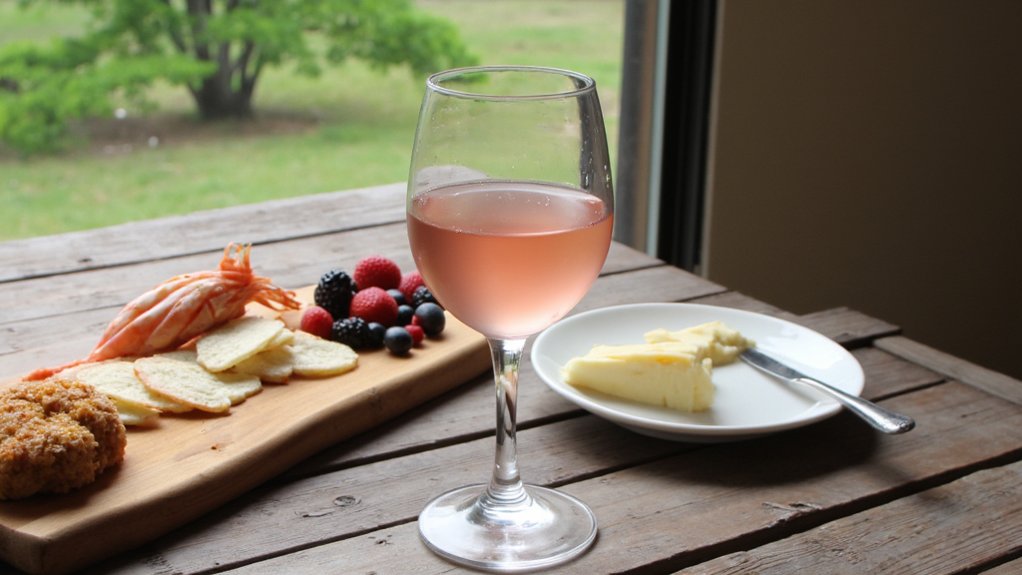
While you might think of White Zinfandel as just a sweet wine for sipping by the pool, it actually shines brightest when you pair it with the right foods. Seriously, it’s a matchmaker’s dream. The vibrant fruitiness and touch of sweetness make it super versatile with food pairings. Want to know the classic dishes that bring out its best? Try these:
- Spicy Asian cuisine – White Zinfandel’s mild sweetness cools down those fiery flavors.
- Grilled chicken or turkey – The wine’s juicy notes balance smokey, savory bites.
- Soft cheeses – Creamy brie or camembert with a chilled glass? Yes, please.
- Salads with fruit – The wine’s playful character dances with berries or oranges.
Give these combos a go—you’ll never look at White Zin the same way again!
White Zinfandel’s 1980’s Popularity Boom
You’ve seen how White Zinfandel can light up a meal, but that’s just scratching the surface of its story. In the 1980s, this wine was everywhere—seriously, you couldn’t swing a scrunchie without hitting a glass of pink Zinfandel at a party. 1980s trends loved anything light, fruity, and easy to drink, and White Zinfandel fit right in. Wine marketing wizards saw their chance and ran with it, plastering ads with cheerful people and pastel colors. You didn’t have to be a snob or even know much about wine to enjoy it. Suddenly, everyone’s mom had a bottle in the fridge. It was the “it” drink, like jazzercise for your taste buds, and honestly, who could resist that catchy, carefree vibe?
Does White Zinfandel Wine Age Well?
So, can White Zinfandel stand the test of time in your wine rack? Here’s the straight scoop: White Zinfandel isn’t really known for its aging potential. Most bottles are made to be enjoyed young, fresh, and bursting with those fruity, playful flavors you love. If you’re thinking about tucking a few bottles away for a rainy day, well, you might end up with wine that’s a bit tired and lacking that zing.
Storage conditions matter, of course. Keep your wine cool, dark, and on its side if you must wait. But honestly, White Zinfandel shines brightest soon after bottling. Don’t let it languish, longing for glory it just can’t reach. Pop the cork, pour a glass, and let its charm do the talking!
White Zinfandel Wine Serving Tips

Glassware matters, believe it or not. If you want your White Zinfandel to taste its absolute best, you can’t just pour it in any old cup. Nope! The right glass and chilling techniques make all the difference. Don’t sweat it, though—serving this wine like a pro is easier than you think.
Here’s your cheat sheet for White Zinfandel wine serving tips:
- Chill it right: Pop the bottle in the fridge for two hours, or use an ice bucket for a quick cool-down.
- Glass recommendations: Go for a medium-sized white wine glass, which helps the fruity aromas shine.
- Fill wisely: Pour about one-third full to let flavors develop.
- Swirl and sip: Give it a gentle swirl, then enjoy those bright, invigorating notes. Cheers!
Similar Wines to White Zinfandel Wine
Now that you know how to serve White Zinfandel like a rockstar, maybe you’re thinking, “What else is out there that tastes this good?” Plenty, actually. If you love that sweetness with a little zip, try a sparkling rosé. The bubbles make every sip feel like a mini celebration, plus it pairs amazingly with salty snacks—hello, popcorn night! Or, if you’re ready to dial back the sugar and go bold, grab a dry rosé. You’ll get juicy berry notes, but with a crisp, invigorating finish that’s perfect for summer BBQs or pool days. Moscato and blush wines are also fun if you want to keep things sweet, but with different fruit flavors. There’s a full rainbow of pink wines just waiting for you.
Frequently Asked Questions
Is White Zinfandel Considered a Vegan-Friendly Wine?
You might find that not all White Zinfandel is vegan-friendly, since wine production sometimes uses animal-based fining agents. Always check for vegan certifications on the label or contact the winery to confirm the wine’s vegan status.
How Many Calories Are in a Glass of White Zinfandel?
When you enjoy a glass of white zinfandel, you’re typically consuming about 120-130 calories per 5-ounce serving size. If you’re curious about calorie comparison, white zinfandel has fewer calories than many red wines of equal serving size.
What Is the Typical Alcohol Content of White Zinfandel?
When you pour a glass, you’ll find the typical alcohol content of white zinfandel ranges from 9% to 11% ABV. You’re enjoying a lighter wine, so you won’t get the punch of stronger reds.
Can White Zinfandel Be Used in Cooking Recipes?
You can absolutely use white zinfandel in cooking recipes. It works well with various cooking techniques like deglazing or poaching. Try it with dishes featuring chicken or seafood—its sweetness offers interesting flavor pairings with those proteins.
Is White Zinfandel Available in Boxed Wine Formats?
You’ll find boxed wine options for White Zinfandel from various brands at most grocery or liquor stores. Popular white zinfandel brands like Franzia and Bota Box make it easy to enjoy larger quantities affordably and conveniently.