So you’ve heard someone mention Sancerre and now you’re wondering, is it a fancy cheese, a cozy French village, or something you should actually drink? Well, grab your glass, because Sancerre is all about crisp, invigorating white wine that’s got a zing like a lemon on roller skates. Picture yourself swirling a glass packed with zesty citrus and a hint of river stones—sounds intriguing, right? The real surprise, though, is what makes it so special…
Key Takeaways
- Sancerre is a renowned French white wine from the Loire Valley, primarily made from Sauvignon Blanc grapes.
- It is celebrated for its crisp acidity, vibrant gooseberry flavors, and distinctive flinty, mineral notes.
- The region’s chalky soils and cool climate shape Sancerre’s fresh, zesty flavor profile.
- Notable producers like Domaine Vacheron and Alphonse Mellot highlight Sancerre’s diverse expressions and prestige.
- Sancerre pairs well with seafood and is best served chilled, also offering age-worthy reds made from Pinot Noir.

Loire Valley’s Signature White
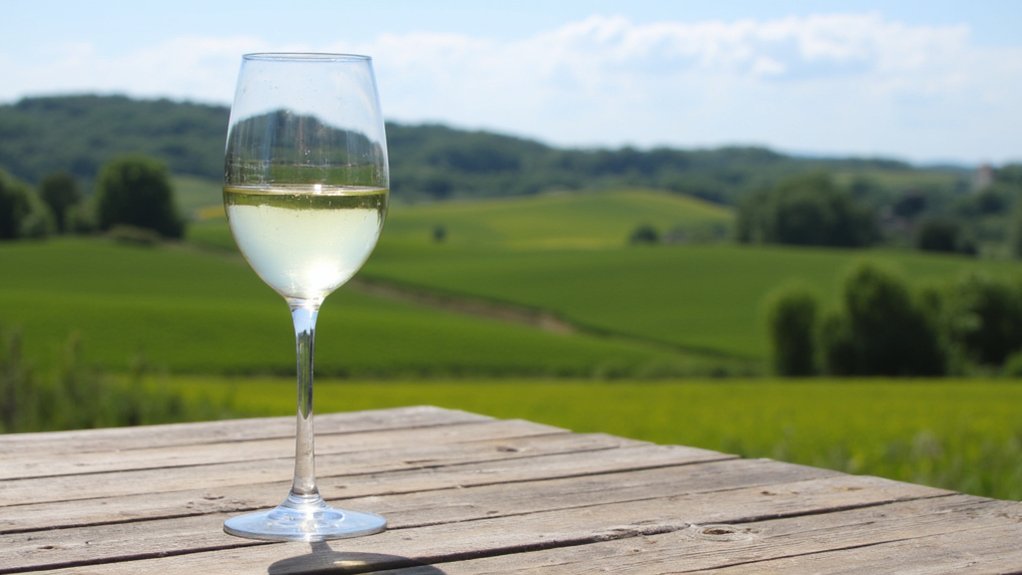
Although France boasts a treasure trove of great wines, Sancerre proudly stands as the Loire Valley’s signature white, and trust me, it’s not just a fancy name to impress your friends at dinner. You’ll find Sancerre in restaurants all over the world, but its true magic starts with the Sancerre terroir. The region’s chalky soils and cool climate give the wine its unmistakable zing—a crisp, fresh taste that wakes up your senses. You don’t have to be a wine snob to notice that. Immerse yourself in Sancerre history, and you’ll see centuries of passion and expertise behind every bottle. It’s the kind of wine you sip and think, “Wow, this is what white wine should taste like!” And honestly, who doesn’t want that?
Roman-Era Vineyards in Sancerre
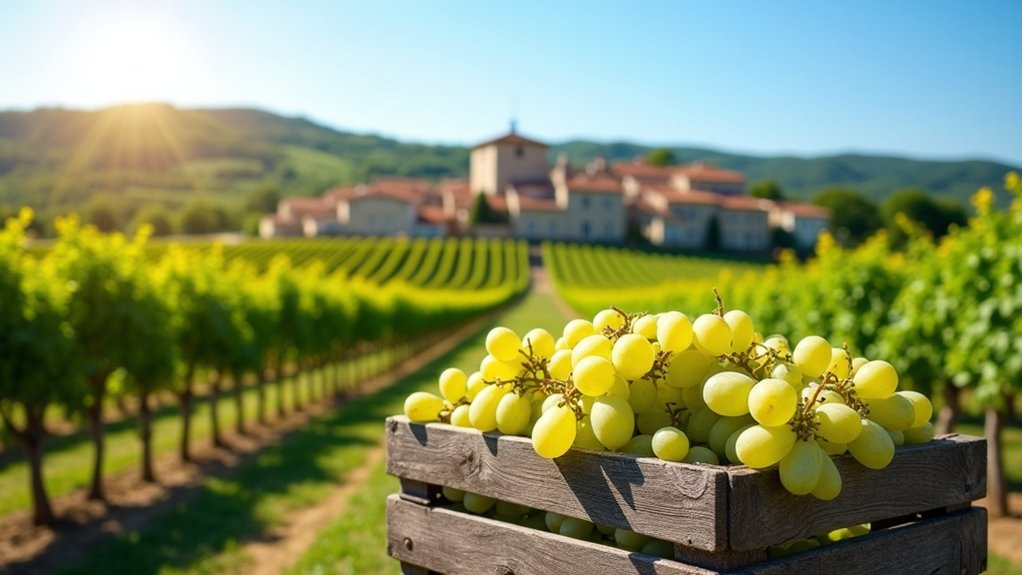
If you think wine history is just old monks and dusty cellars, think again—Sancerre’s roots go way deeper, all the way back to the Romans. Envision this: ancient winemaking wasn’t just a hobby for toga-clad citizens; it was serious business. The Romans saw Sancerre’s rolling hills and thought, “Perfect for vines!” So, they planted the first vineyards, setting the stage for centuries of vineyard history. You can almost imagine Roman soldiers swapping swords for pruning shears, tending their grapevines while bragging about who made the better vintage. Even today, traces of their work linger in the soil. Their cleverness with terraces and drainage shaped Sancerre’s landscape, giving you the lush, thriving vineyards you see now. Pretty wild, right?
Sauvignon Blanc Dominance Explained
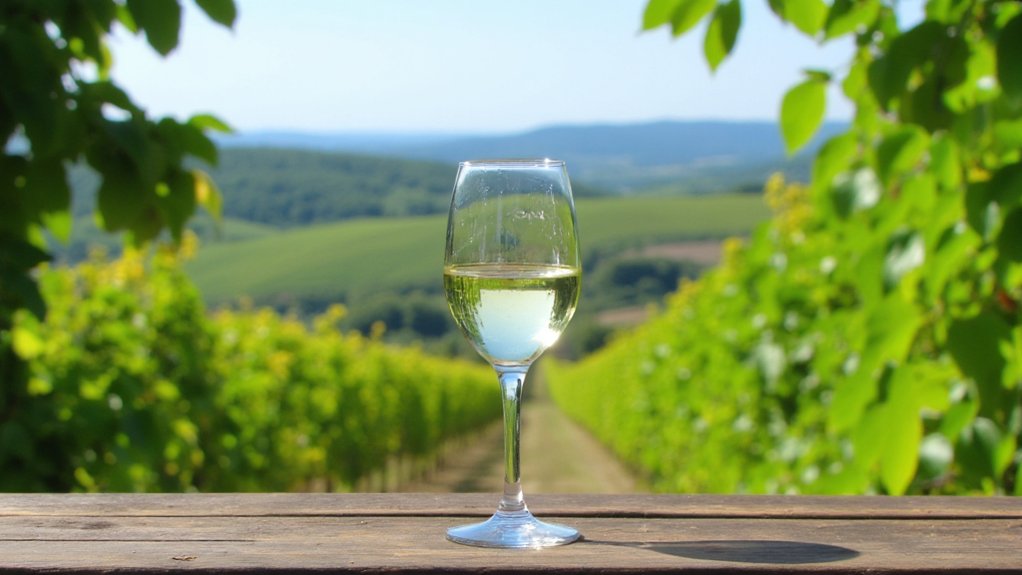
Let’s be honest—when people talk about Sancerre, they’re really talking about Sauvignon Blanc. You can’t escape it. This grape is the rockstar of the region, the main act everyone’s here to see. Sure, you might hear a whisper about Pinot Noir, but Sancerre terroir and Sauvignon Blanc characteristics are the real headline. The chalky soils, cool climate, and rolling hills create a perfect stage for Sauvignon Blanc to shine, bringing out its zingy freshness and crisp personality. You’ll notice how it grabs your attention—energetic, lively, maybe even a little sassy. The Sancerre terroir gives the grape a unique voice, letting it sing in ways it just can’t anywhere else. Sauvignon Blanc here isn’t just dominant. It’s legendary.


Gooseberry and Flint Notes
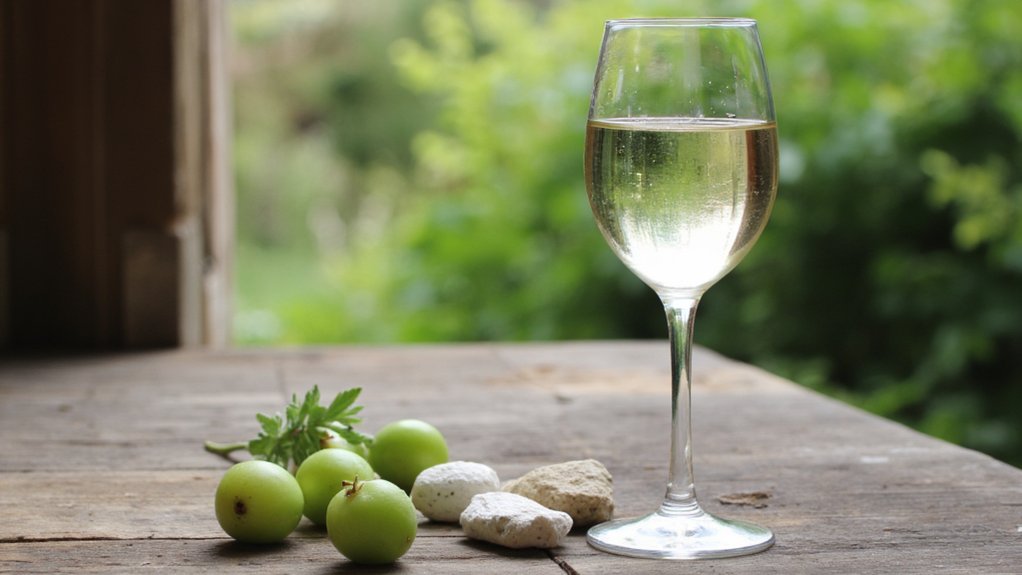
Sauvignon Blanc in Sancerre isn’t just about being zippy and fresh—it’s got some real personality quirks, and gooseberry and flint are its signature moves. When you take that first sip, you’ll probably notice those bright gooseberry flavors right away. It’s like biting into a tart, juicy berry, and suddenly your taste buds want to throw a party. But then, there’s this twist: a flint aroma that sneaks in, all stony and smoky, just to remind you that this wine’s got depth. Seriously, it’s as if someone dropped a pebble in a fruit bowl and magic happened. That combo of tangy fruit with a cool, mineral edge keeps you guessing—one sip, and you’re hooked, wondering what’s next.
Famous Sancerre Wine Brands
Although Sancerre is a small region, its wine scene packs a punch with some seriously legendary names. If you’re ready to explore Sancerre producers, you’ll find a handful of icons who make the Sancerre terroir sing like a rockstar at a French music festival. Let’s spotlight a few you just can’t miss:
- Domaine Vacheron – These folks are Sancerre royalty, famous for their biodynamic methods and pure, crisp whites that capture the region’s stony soul.
- Alphonse Mellot – Their family’s been at this since the 1500s, so you know they’re basically Sancerre’s wise old wizards. Expect elegance and balance in every bottle.
- Henri Bourgeois – They blend tradition with innovation, offering wines that show off Sancerre’s zingy freshness and mineral edge.
Cheers to legends!
Popular Sancerre Choices For Any Budget
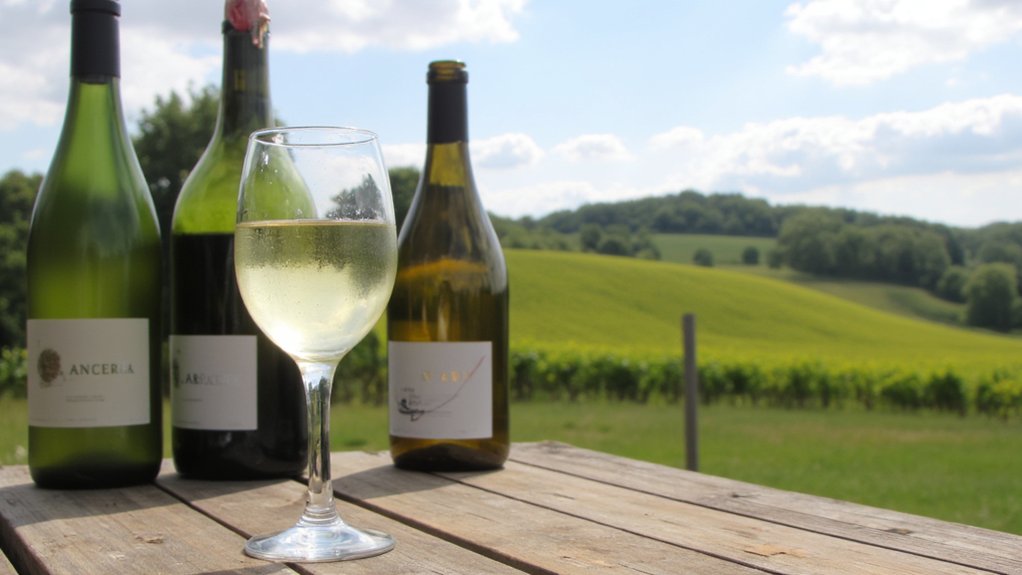
You don’t need a king’s ransom to enjoy Sancerre—there are crisp, lively bottles for under $20 that’ll make your wallet and your tastebuds happy. If you’ve got a little more to spend, the mid-range options between $20 and $100 open up a world of smooth, elegant flavors, while the high-end bottles above $100? Well, those are pure poetry in a glass, perfect for showing off or just feeling a little bit fancy on a Tuesday. Let’s check out some top picks at every price point, because everyone deserves a little Sancerre sparkle in their life.
Bargain Sancerre Wines Under $20
- Domaine du Pré Semelé (Sancerre) – crisp, citrusy, mineral-driven, youthful, crowd-pleaser
- Pascal Jolivet Attitude (Loire) – fresh, vibrant, green apple, floral, approachable
- Henri Bourgeois Petit Bourgeois (Loire) – zesty, grapefruit, lively, balanced, everyday
- Les Deux Tours Sauvignon Blanc (Loire) – aromatic, revitalizing, easy-drinking, light-bodied, value
- Jean-Max Roger Cuvée Marnes et Caillottes (Sancerre) – elegant, stony, lemon, classic, food-friendly
Mid-Range Sancerre Wines Between $20-$100
- Alphonse Mellot La Moussière (Sancerre) – refined, floral, textured, citrus, long finish, organic
- Lucien Crochet Sancerre Blanc (Sancerre) – mineral, crisp, white peach, balanced, versatile, classic
- Domaine Vacheron Sancerre (Sancerre) – pure, racy, herbal, limestone, elegant, biodynamic
- François Cotat Les Monts Damnés (Sancerre) – concentrated, intense, smoky, saline, age-worthy, complex
- Gitton Père et Fils Les Herses (Sancerre) – flinty, grapefruit, structured, long, expressive, invigorating
High-End Sancerre Wines Above $100
- Alphonse Mellot Edmond (Sancerre) – layered, powerful, citrus, mineral, age-worthy, complex, top-tier, organic
- Domaine Vacheron Les Romains (Sancerre) – racy, smoky, saline, textured, elegant, biodynamic, collectible
- François Cotat Les Culs de Beaujeu (Sancerre) – intense, structured, flinty, honeyed, long-lived, profound
- Pascal Cotat Les Monts Damnés (Sancerre) – rich, savory, persistent, grass, stone, remarkable, limited
- Lucien Crochet La Croix du Roy (Sancerre) – concentrated, vibrant, precise, citrus, floral, rare, collectible
Classic Sancerre Wine Food Pairings

Pairing Sancerre with food is a bit like matchmaking for your taste buds—when it’s right, sparks fly. If you’ve got a bottle of Sancerre, you’re already halfway to a fantastic meal. Its zippy acidity and citrus notes make it a champion at the dinner table, especially with certain classics.
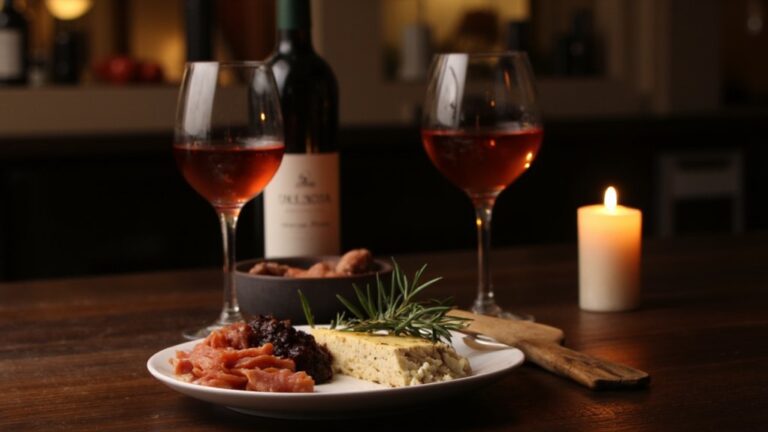
- Sancerre cheese pairings: Go for the iconic Crottin de Chavignol. This tangy goat cheese loves Sancerre almost as much as you do.
- Sancerre seafood matches: Try oysters, shrimp, or flaky white fish. The wine’s minerality makes seafood sing, even if you can’t carry a tune yourself.
- Lighter fare: Think salads with vinaigrette, asparagus, or sushi. Sancerre handles those tricky flavors with ease, making you look like a pairing genius.
Sancerre’s Lost Red Wines
Although most folks think of Sancerre as a white wine paradise, there’s a secret history hiding in those rolling hills—red wine. You might be surprised, but Sancerre history is full of Pinot Noir, a grape that once ruled here before Sauvignon Blanc stole the spotlight. Imagine those ancient winemakers, perfecting Sancerre winemaking techniques for reds, using the same limestone-rich soils that today give whites their zip. The Sancerre terroir impact on red wines is just as magical, adding a fresh, earthy zing you won’t forget. Sancerre grape varieties might seem limited now, but Pinot Noir holds on, creating delicate, cherry-bright reds with just a little sass. Next time you’re sipping Sancerre, remember—red’s not so lost after all!
Does Sancerre Wine Age Well?
So, you’ve just learned that Sancerre reds are still kicking around, quietly charming those in the know. Now, you’re probably wondering if these wines, both red and white, have any real aging potential. The answer? Absolutely! Sancerre whites, made from Sauvignon Blanc, can develop amazing complexity over five to ten years if you have the patience (and the right wine storage). Reds, crafted from Pinot Noir, aren’t just fleeting pleasures either—they mellow beautifully, picking up earthy notes as they snooze in the bottle. Don’t expect them to rival Bordeaux’s decades-long legends, but hey, who needs all that pressure? Tuck a few bottles away, give them time, and you’ll be rewarded. Think of it as wine’s little magic trick—aging transforms everything!
Sancerre Wine Serving Tips
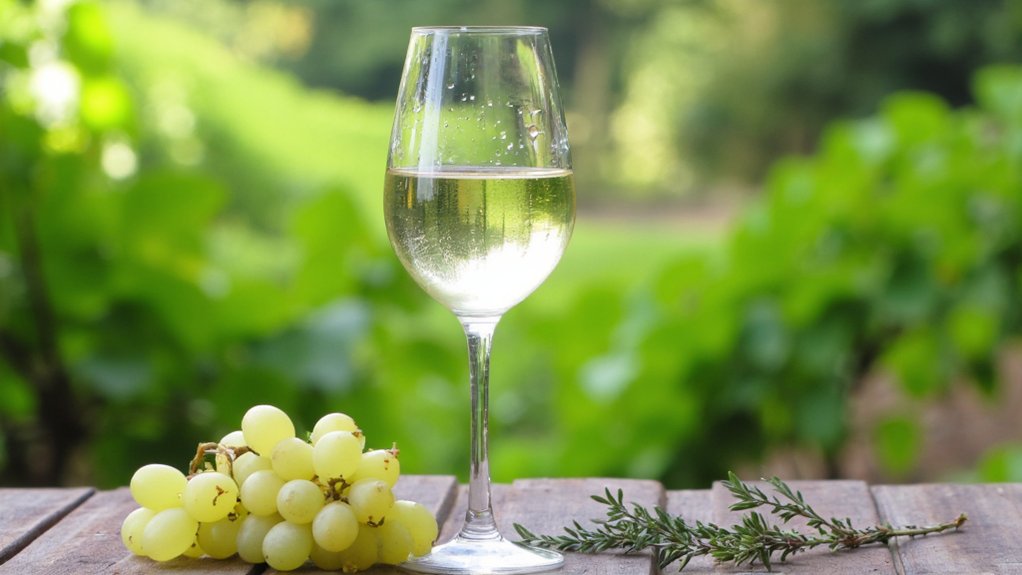
Anyone who’s ever poured a glass of Sancerre knows there’s a bit of magic in getting it just right. It’s not just about uncorking and hoping for the best. To truly enjoy Sancerre, you want to nail the basics—think of it like setting the stage for a little flavor symphony. Ready to impress your friends (or your cat)? Here’s how you do it:
- Sancerre temperature: Serve it chilled, ideally between 45–50°F. Too cold, and you’ll lose those zesty aromas. Too warm, and it’s just… sad.
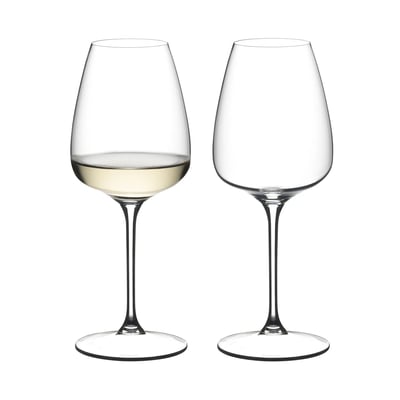
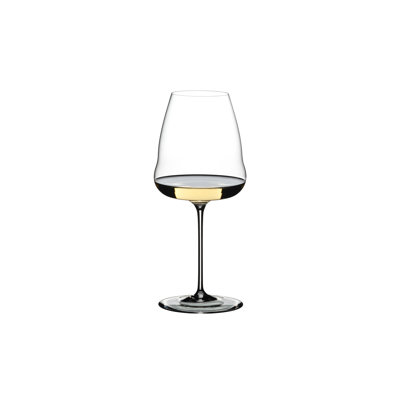
- Sancerre glassware: Use a white wine glass. The narrower bowl keeps those bright citrus notes front and center.
- Pour modestly: Fill your glass halfway. It lets the wine breathe, and you look sophisticated.
Similar Wines to Sancerre Wine
Ever wondered what to reach for when your favorite bottle of Sancerre has suddenly vanished from the fridge? Don’t panic—there are plenty of Sancerre alternatives out there to satisfy your craving for that zippy, invigorating white. Try a Pouilly-Fumé, which comes from just across the river in the Loire Valley and shares those bright citrus and flinty notes. Fancy a trip further afield? New Zealand Sauvignon Blanc delivers similar varietals, bursting with bold grapefruit and gooseberry flavors that’ll wake up your taste buds. Don’t overlook Quincy or Menetou-Salon either; they’re like Sancerre’s fun cousins at the family reunion. Who knew swapping wines could feel like speed dating for your palate? So, next time, skip the fridge panic. You’ve got options!
Frequently Asked Questions
Is Sancerre a Protected Wine Designation (AOC)?
You’re asking if Sancerre is a protected wine designation. Yes, it’s classified under the Sancerre AOC. You’ll find that strict AOC regulations control grape varieties, production methods, and geographic boundaries for authentic Sancerre wines.
What Is the Climate Like in the Sancerre Region?
You’ll find Sancerre weather is cool and semi-continental, with warm summers and cold winters. This unique climate shapes the Sancerre terroir, giving the region’s wines their signature crisp acidity, vibrant fruit flavors, and minerality.
Are There Organic or Biodynamic Sancerre Producers?
You’ll find several Sancerre producers who embrace organic practices and biodynamic methods. Many vineyards avoid synthetic chemicals, prioritize soil health, and support biodiversity, so you can easily discover organic or biodynamic Sancerre wines to enjoy.
Can You Visit Wineries in Sancerre for Tastings?
You can visit wineries in Sancerre for wine tours and tasting experiences. You’ll meet passionate winemakers, explore picturesque vineyards, and sample renowned Sauvignon Blanc. It’s a fantastic way to deepen your appreciation for Sancerre wines.
How Is Sancerre Pronounced Correctly?
When you’re curious about Sancerre pronunciation, just say “sahn-SEHR” using French Sancerre phonetics. Emphasize the second syllable and keep the “r” soft. You’ll sound like a pro when you order your next glass!