So, you’ve probably heard of Cabernet Sauvignon, right? It’s that bold red wine everyone seems to rave about at dinner parties, the one with flavors so rich and deep you almost want to write it a love song. But what makes this grape so special, and why does it pop up in every wine aisle from Paris to Patagonia? Trust me, there’s more to this story than a fancy French name—stick around, because the best bits are just uncorking.
Key Takeaways
- Cabernet Sauvignon is the world’s most widely planted red wine grape, originating from a 17th-century Bordeaux hybrid of Cabernet Franc and Sauvignon Blanc.
- It produces bold, full-bodied wines known for deep color, sturdy tannins, and dominant blackcurrant flavors with hints of cedar and spice.
- The grape thrives in diverse climates, making it popular in regions like Bordeaux, Napa Valley, and Australia.
- Cabernet Sauvignon pairs well with rich foods such as steak, aged cheeses, and roasted vegetables, enhancing dining experiences.
- Proper storage and aging can transform Cabernet Sauvignon, resulting in smoother, more complex flavors over time.


World’S Most Planted Red Grape
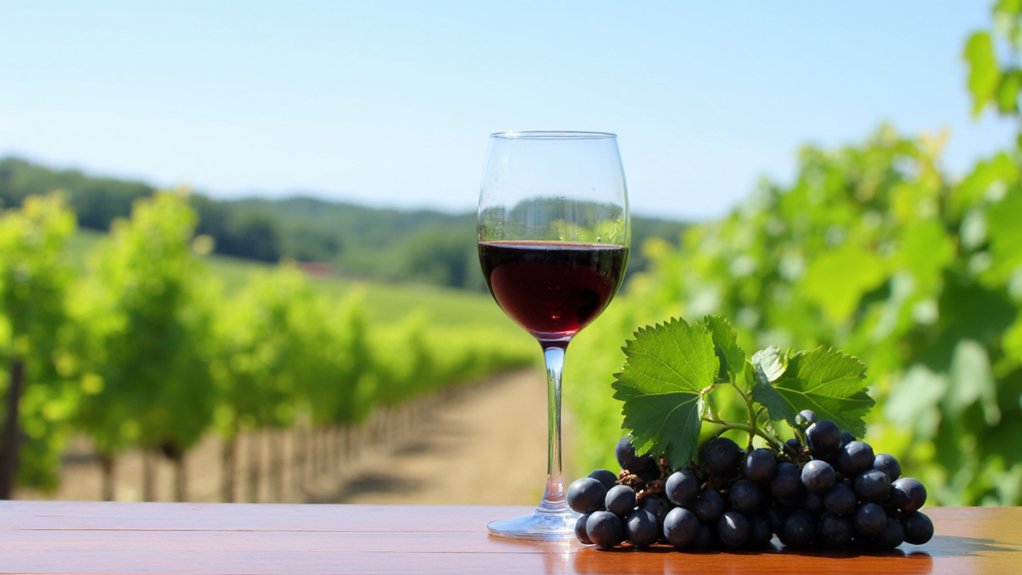
Let’s talk numbers—big, juicy numbers. Cabernet Sauvignon isn’t just popular; it’s the world’s most planted red grape, and it wears that crown with style. You’ll find it sprawling across vineyards from Napa to Australia, and honestly, you’d have to work hard not to bump into it. Why the obsession? It’s all about those classic cabernet characteristics: bold flavors, sturdy tannins, and just enough sass to keep things interesting.
When it comes to grape cultivation, Cabernet Sauvignon is the overachiever of the bunch. It thrives almost anywhere, laughs in the face of rough weather, and rewards winemakers with consistent crops. So, the next time you sip a glass, remember: you’re tasting the superstar of the grape world, and that’s no small feat.
Bordeaux 17th-Century Accidental Cross
If you ever wondered how Cabernet Sauvignon came to rule the wine world, you might be surprised to learn it all started with a happy accident in 17th-century Bordeaux. Imagine this: grape growers in Bordeaux weren’t exactly planning a revolution, but thanks to a little grape hybridization magic, something extraordinary happened. Two local grape varieties, Cabernet Franc and Sauvignon Blanc, decided to mingle, and voilà—Cabernet Sauvignon was born. It’s like Bordeaux history’s own quirky rom-com moment. No one set out to invent the world’s favorite red grape, but that’s the beauty of those wild vineyard days. Sometimes the best things really do happen by accident. So next time you sip a glass, remember you’re tasting a delicious piece of grape history!
Thick-Skinned Red Grape Origins

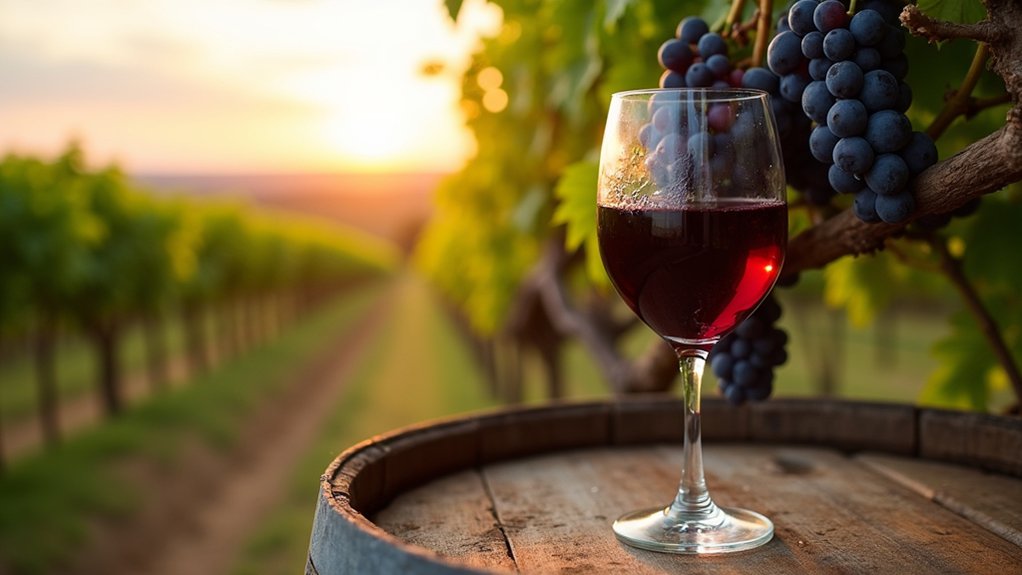
Thick-skinned grapes—now there’s a phrase that deserves its own theme song. If Cabernet Sauvignon had a superhero cape, it’d be woven from those tough grape skins. This grape’s thick skinned characteristics are legendary. You can thank them for the deep color, and for a certain rugged attitude that stands up to weather, pests, and just about anything Mother Nature throws at it. Grape cultivation with Cabernet Sauvignon is a bit like coaching a determined athlete—these grapes don’t back down. They’re robust, resilient, and ready for action. You’ll notice that their skins help lock in flavor and structure, which is why winemakers around the world are obsessed. So, when you sip that next glass, remember: you’re tasting centuries of stubborn grape history.

Blackcurrant and Cedar Aromas
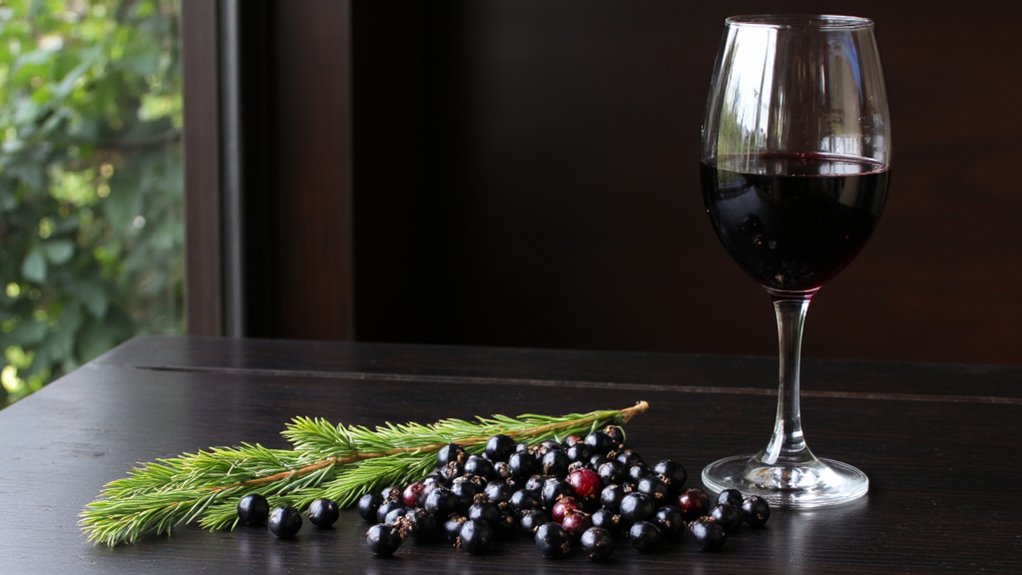
Aromas are where Cabernet Sauvignon really starts to show off. You stick your nose in the glass, and boom—blackcurrant notes jump out first, bold and juicy, like someone just squished berries under your nose. It’s bright, fruity, and makes your mouth water. But don’t stop sniffing just yet. There’s more going on. Next comes that cedar complexity, adding a bit of a woodsy, pencil-shavings vibe that’s oddly comforting. It’s like walking through a library where someone’s hidden a secret stash of berries. You’ll probably even catch a hint of spice or maybe even a whiff of tobacco if you’re lucky. It’s a whole orchestra of scents. Cabernet Sauvignon isn’t shy. It wants your senses on full alert—so breathe deep!
Famous Cabernet Sauvignon Wine Brands
Once you’ve wrapped your nose around all those aromas, you might start wondering where to actually find a bottle that lives up to the hype. Let’s be honest, there’s a wild world of Cabernet varietals out there, and choosing just one can feel like picking your favorite puppy at the shelter. But fear not! Some wine brands have earned legendary status for crafting Cabernet Sauvignon that’s truly unforgettable, no matter which Cabernet regions they hail from. Here’s a quick hit list:
- Château Margaux (Bordeaux, France) – As classic as a tuxedo, but more fun to drink.
- Robert Mondavi (Napa Valley, California) – The king of American Cabernets. You’ll want to Instagram this.
- Penfolds (Australia) – Bold, rich, and totally un-shy. Like an Aussie surfer, but in a bottle.
Popular Cabernet Sauvignon Choices For Any Budget
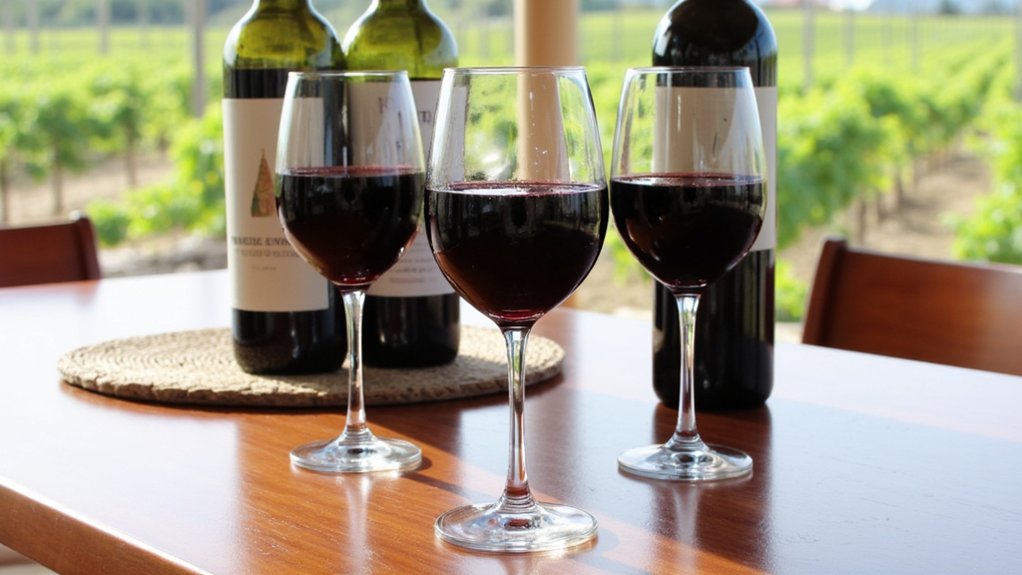
You don’t need a rockstar paycheck to enjoy great Cabernet Sauvignon—there’s something tasty for every wallet size, trust me. Whether you’re hunting for a solid bottle under $20, treating yourself to a lush mid-range pick, or going all-out with a high-end splurge that’ll make your friends jealous, you’ve got plenty of options. Let’s check out some top choices for every budget, and hey, you might even find a new favorite along the way!
Bargain Cabernet Sauvignon Wines Under $20
- Josh Cellars Cabernet Sauvignon (California) – smooth, blackberry, vanilla, popular, crowd-pleaser
- Bogle Vineyards Cabernet Sauvignon (California) – rich, plum, spice, approachable, everyday
- Columbia Crest Grand Estates Cabernet Sauvignon (Washington) – balanced, cherry, cocoa, easy-drinking, value
- Alamos Cabernet Sauvignon (Mendoza) – ripe, dark fruit, herbal, Argentina, bargain
- Chateau Ste. Michelle Cabernet Sauvignon (Washington) – classic, structured, blackcurrant, versatile, reliable
Mid-Range Cabernet Sauvignon Wines Between $20-$100
- Duckhorn Vineyards Cabernet Sauvignon (Napa) – elegant, layered, red fruit, cedar, polished tannins
- Justin Cabernet Sauvignon (Paso) – bold, blackberry, vanilla, balanced, smooth finish
- Stags’ Leap Winery Cabernet Sauvignon (Napa) – classic, structured, dark cherry, spice, age-worthy
- Penfolds Bin 407 Cabernet Sauvignon (Australia) – rich, cassis, mint, savory, international favorite
- Chateau Montelena Cabernet Sauvignon (Napa) – refined, blackcurrant, earthy, historic, food-friendly
High-End Cabernet Sauvignon Wines Above $100
- Opus One (Napa) – iconic, harmonious, layered, black fruit, cedar, collectible
- Screaming Eagle (Napa) – legendary, powerful, rare, silky, cult status
- Château Margaux (Bordeaux) – elegant, floral, structured, long finish, historic
- Harlan Estate (Napa) – opulent, intense, complex, age-worthy, luxurious
- Sassicaia (Tuscany) – refined, balanced, cassis, earthy, international prestige
Classic Cabernet Sauvignon Wine Food Pairings

Few things in life are as satisfying as a great Cabernet Sauvignon paired with the perfect meal. You don’t have to be a sommelier to make magic happen at your dinner table! Cabernet loves bold food, so let’s talk about some of the best classic pairings you can try tonight:
- Steak options: Ribeye, New York strip, or a juicy filet mignon—Cabernet’s tannins slice right through that rich, beefy goodness.
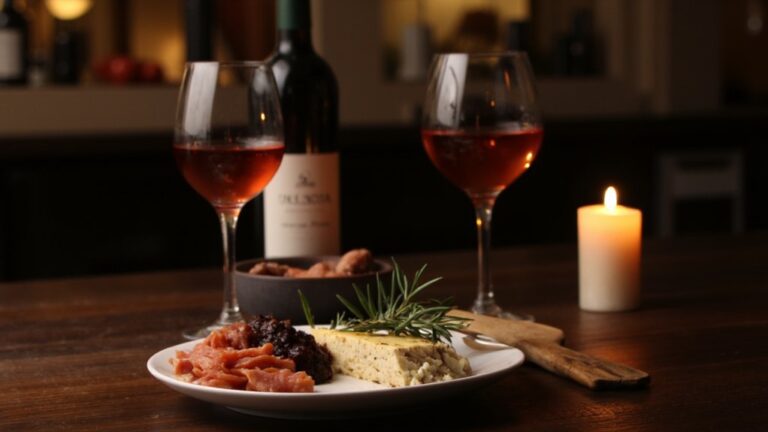
- Cheese pairings: Aged cheddar, gouda, or blue cheese will dance with those dark fruit flavors, making your taste buds throw a party.
- Roasted veggies: Mushrooms, bell peppers, and eggplant soak up Cab’s structure, adding earthy depth.
Go ahead, pop that cork. Dinner just got an upgrade!
NASA Used Cabernet in Space
While you might expect NASA’s astronauts to float around the International Space Station sipping Tang, the truth is way more interesting—Cabernet Sauvignon has actually joined the ranks of zero-gravity experiments. That’s right, your favorite red wine has orbited the Earth, all in the name of science. Space experiments aren’t just about growing potatoes like in The Martian. Researchers sent bottles of Cabernet Sauvignon into space to study wine preservation. Will cosmic rays change the flavor? Does the lack of gravity mess with the aging process? Scientists are determined to find out, because apparently, even in space, wine lovers demand answers. So next time you sip a glass, remember—your Cabernet has literally gone where few grapes have gone before… and survived. Cheers to science!
Does Cabernet Sauvignon Wine Age Well?
So, does Cabernet Sauvignon get better with age, or is it just a fancy myth people say to sound impressive at dinner parties? Here’s the scoop: Cabernet Sauvignon actually has amazing aging potential! You’re not just being pretentious if you stash a good bottle away. With the right conditions—think cool, dark, and stable—this wine can transform over years, becoming smoother and richer. That’s why ideal storage is key. No tossing it on top of your fridge and hoping for the best. If you treat it well, your patience pays off with complex flavors that just don’t show up in younger wines. It’s almost like magic, or maybe science, or maybe a little bit of both. Anyway, cheers to waiting!
Cabernet Sauvignon Wine Serving Tips
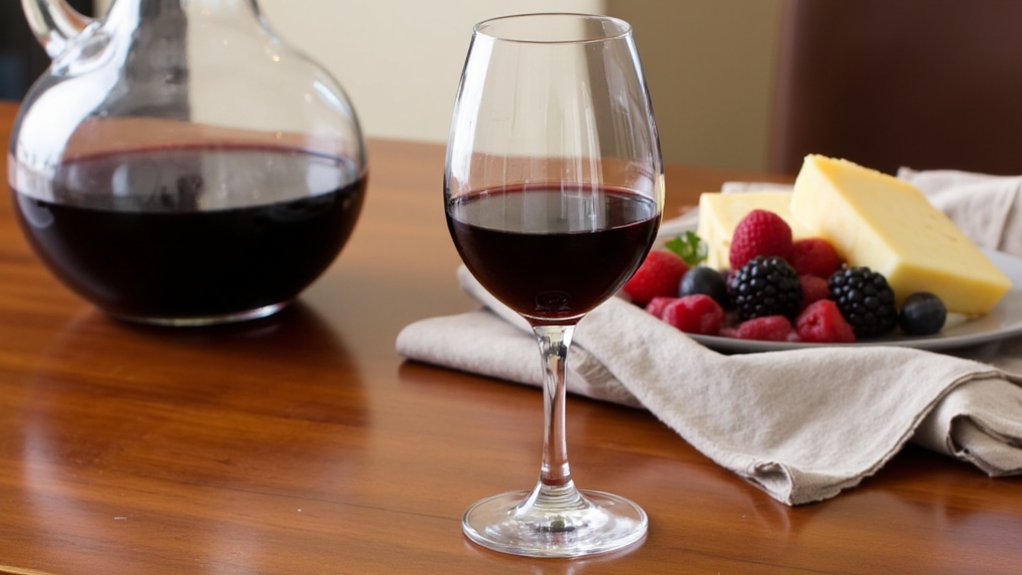
- Mind the glass temperature. Serve it slightly below room temp, around 60–65°F. Too warm, and it’ll taste boozy; too cold, and the flavors hide.
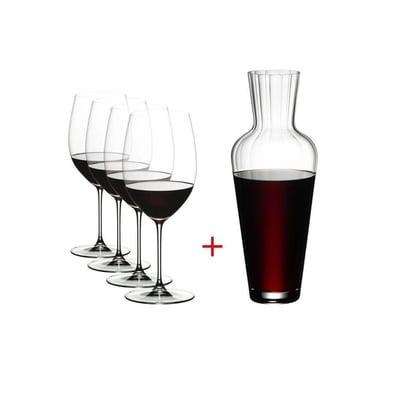
- Practice decanting techniques. Swirl, pour, or let it breathe for 30–60 minutes—your nose will thank you.
- Choose a big glass. Let those aromas dance!
Similar Wines to Cabernet Sauvignon Wine
Now that you’re swirling, sniffing, and sipping your Cabernet Sauvignon like a pro, you might start to wonder what other wines bring those bold flavors and big personalities to the table. If you’re looking for a Malbec comparison, you’re in for a treat—Malbec packs a punch with juicy black fruit, a touch of spice, and just enough tannin to make your taste buds do a double take. Syrah similarities? Oh, absolutely. Syrah (or Shiraz, if you’re feeling fancy) comes in hot with peppery notes, rich dark fruit, and a smoky undertone that feels like a cozy campfire in a glass. So, step out of your Cab comfort zone. Explore, experiment, and remember: wine is supposed to be fun. Cheers!
Frequently Asked Questions
Is Cabernet Sauvignon Suitable for Vegans and Vegetarians?
You might find some Cabernet Sauvignon suitable for vegans and vegetarians, but check labels. Not all wineries use vegan winemaking; some use animal products like egg whites or gelatin during fining. Look for wines labeled vegan-friendly.
What Are Common Cabernet Sauvignon Wine Faults to Look Out For?
When you open a bottle, watch for oxidative spoilage, which gives a dull, flat taste, or cork taint, causing musty, moldy aromas. You’ll also notice faults like excessive volatile acidity or sulfur, which affect Cabernet Sauvignon’s quality.
How Does Climate Affect Cabernet Sauvignon’S Taste Profile?
When you explore different climate zones, you’ll notice Cabernet Sauvignon’s flavor nuances shift. Cooler climates bring out herbal notes and higher acidity, while warmer zones give you riper fruit flavors, softer tannins, and a richer, fuller body.
Are There Organic or Biodynamic Cabernet Sauvignon Options?
You’ll find plenty of Cabernet Sauvignon made with organic practices and biodynamic farming. These approaches avoid synthetic chemicals and emphasize sustainability. When you choose these wines, you’re supporting eco-friendly vineyards and often enjoying vibrant, expressive flavors.
What Are the Health Benefits and Risks of Drinking Cabernet Sauvignon?
You’ll find health benefits in moderate cabernet sauvignon consumption, like antioxidants supporting heart health. But drinking risks include increased blood pressure, liver strain, and addiction if you overindulge. Always enjoy it responsibly to balance benefits and risks.